JamzNG Latest News, Gist, Entertainment in Nigeria
Amid the distant sounds of bombs and gunfire, we heard church bells ringing on the outskirts of Beirut. Then we saw a large group of people gathered, all dressed in black.
They had to come to the Maronite place of worship, the Sacred Heart church, to commemorate the death of a man named Sami Ghafari.
The 66-year-old man was killed in a drone strike on a village in the south Lebanon.
Iran’s latest war: US attacks 16 ‘mine-throwing boats’
The congregation also commemorates the death of the village itself.
The community, Alma al Shaab, is home to around 200 Christian families who were all forced to flee their homes.
The final group of refugees, numbering 83 people, had been guided out of the area by UN peacekeepers that morning – the majority headed straight to the church.
We spoke to resident Elias Konsol as he got out of his car. He said the past nine days had been “terrible”.
“Every day we sleep, we don’t know in the morning whether we are still alive,” he said.
“Was there a moment,” I asked, “when you thought, ‘okay, we should go?’”
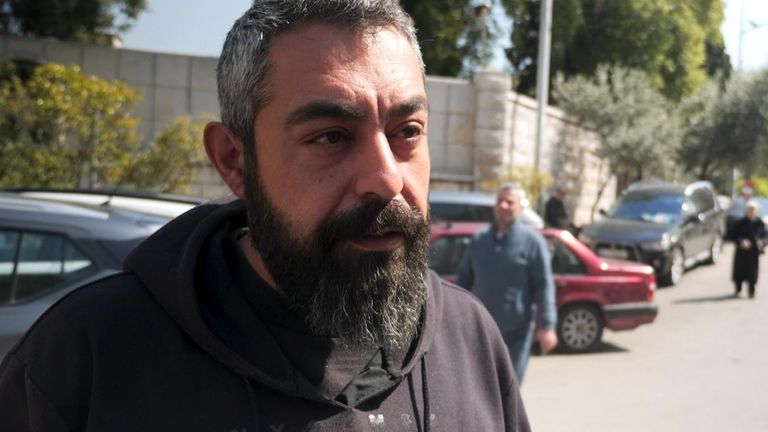
Elias says the last nine days have been ‘scary’
“Yesterday, midnight,” he answered. “We thought they were going to go inside.”
“Who, the Israelites?”
“Yes, [the Israelis] will come to see Alma,” said Elias. “What shall we do?”
A cloud of sadness hangs over the church and we watch as members of the congregation struggle to control their emotions. Many looked exhausted.
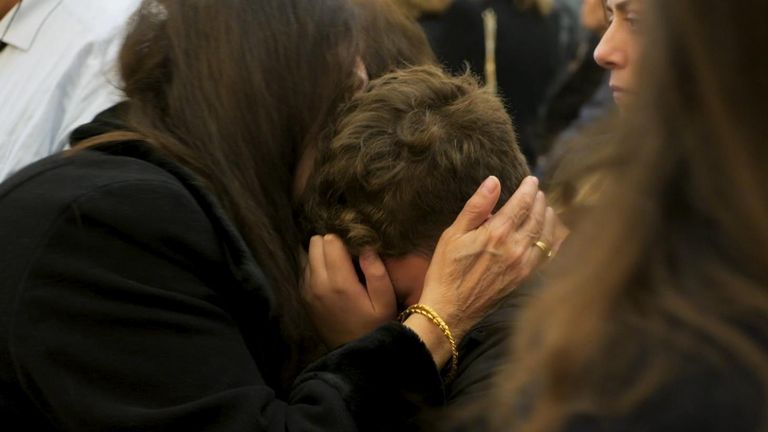
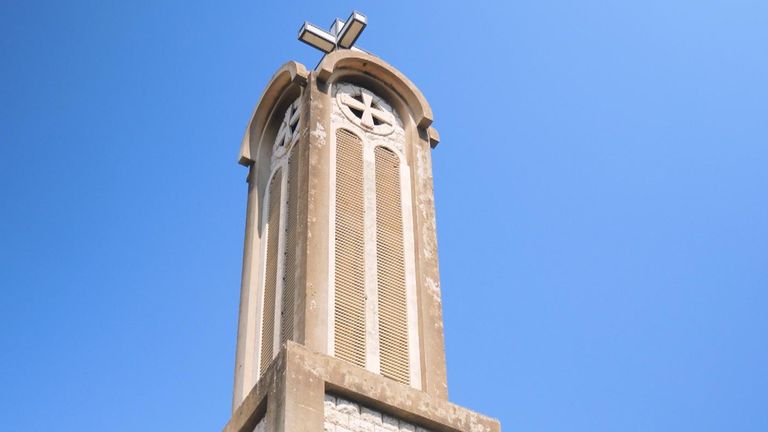
The funeral took place at a Maronite church on the outskirts of Beirut
On March 1, residents of Alma al Shaab rang the village church bell when they learned the Israeli military had issued an evacuation order requiring them to leave.
But many refused to leave their homes.
When Israel began bombarding the village, residents brought their blankets and sleeping equipment and gathered in the hall below the church.
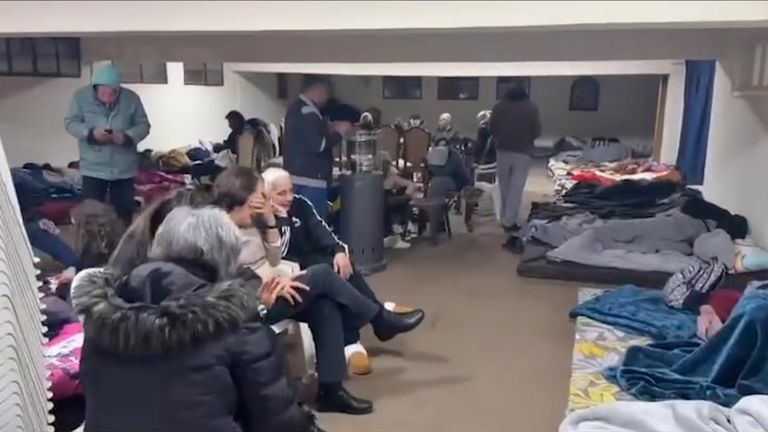
The villagers sought shelter under their church
One of the villagers, Joe Sayyah, told us that they have tried to adapt.
“Every day at five or six, we go under the church to the hall. That’s when shootings and strikes happen all over the village, even during the day,” he said.
“We can only check our house and come back. We can’t do anything else.”
‘We are not the 83 martyrs’
It seems that Sami Ghafari’s death was the final straw. He was killed, residents said, by an Israeli missile while he was watering vegetables in his garden
The mayor of Alma al Shaab is named Shady Saayah and he looks desperate. He had lost a friend, as well as his village.
“What do you have in mind?” I ask.
“The loss, the loss of our land, the loss of our dignity, of Lebanon started with Alma [al Shaab].”
Read more:
Why did it take so long to deploy British warships
What crosses the Strait of Hormuz?
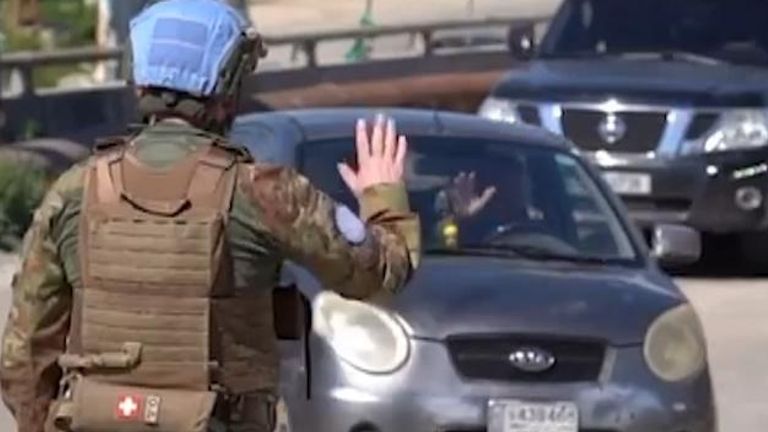
UN troops helped the remaining residents to evacuate
The mayor said the remaining villagers decided to flee when the commander of the local UN peacekeeping detachment (UNIFIL) said they could not protect them.
“He said you have the right to stay, but if you do we are not responsible. This is very dangerous. We asked the priest to contact the Vatican, [and they said] it’s up to you, so everyone leaves us.
“So we decided that we are not the 83 martyrs.”
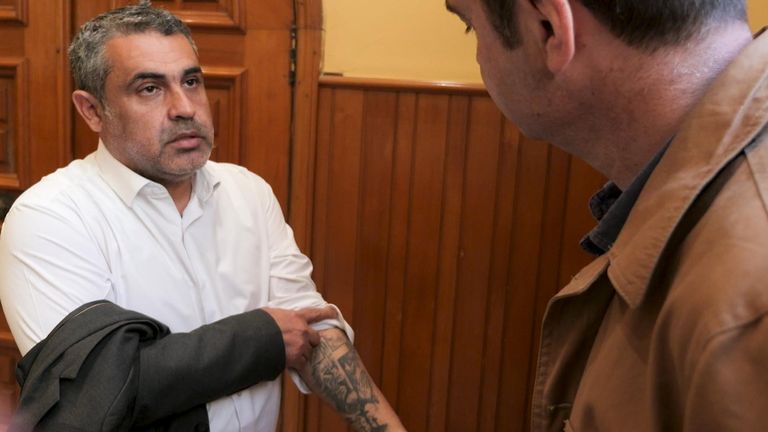
Mayor Shady Saayah shows off a tattoo of the cross and Lebanon’s patron saint
He then took off his jacket and showed me the tattoo of the cross and the patron saint of Lebanon on his left arm.
“We believe in saints, not guns,” he said. “All we want is peace.”
This meeting at the Sacred Heart church is one of many stories – from a war that lasted for more than a week. However, this conflict has created a humanitarian disaster that has turned a country upside down.