JamzNG Latest News, Gist, Entertainment in Nigeria
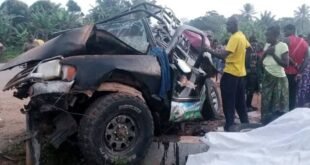
Liberia is facing a growing road safety crisis. Between January and March 2026, the Liberia National Police (LNP) recorded 478 road traffic accidents nationwide, resulting in 71 deaths and more than 300 injuries.
Montserrado and Nimba Counties accounted for the highest number of cases, underscoring the urgent need to address systemic failures in driver competence, traffic enforcement, and the country’s licensing process.
These disturbing figures point to deeper weaknesses within Liberia’s transport and public safety framework. While the LNP’s recent decision to require a valid driving school certificate for license applicants is a step in the right direction, it falls far short of what is needed. Meaningful reform demands a licensing system that is both rigorous and credible.
A driver’s license should signify more than basic training. Mandatory medical and physical examinations must be part of the process to ensure that applicants are fit to drive.
Conditions such as poor eyesight, slow reaction time, and untreated health issues pose serious dangers on the road. Allowing individuals to drive without proper health clearance directly compromises public safety and contributes to preventable accidents.
Equally critical is the need to strengthen testing standards. Both written and practical examinations should reflect real-world driving conditions, ensuring that drivers are genuinely competent rather than merely certified. Anything less continues to put motorists, pedestrians, and passengers at risk.
Enforcement remains another major concern. The LNP report highlights a troubling trend of accident cases being withdrawn or left unresolved, raising serious questions about culpability.
Without consistent enforcement of traffic laws and meaningful penalties for violations, reckless behavior will persist, and the culture of impunity on Liberia’s roads will deepen.
Public awareness must also be intensified. Road safety is not solely the responsibility of law enforcement; it requires shared national commitment from drivers, motorcyclists, and pedestrians alike. Changing attitudes and behavior is essential to reducing accidents and saving lives.
As Liberia’s road networks expand and the number of vehicles continues to grow, the need for decisive action has never been more urgent.
Strengthening driver screening, enforcing traffic regulations, and prioritizing public safety are no longer optional—they are imperative. Failure to act will only result in more accidents, more injuries, and more lives lost on the nation’s roads.