JamzNG Latest News, Gist, Entertainment in Nigeria
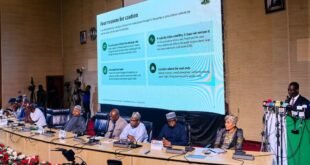
The Federal Government validated and adopted Nigeria’s first national policy on the management of health and menstrual hygiene (Mhhm), aimed at facing the challenges faced by women and girls in the management of menstruation.
Speaking at the validation meeting on Friday in Abuja, the Minister of Affairs of Women and Social Development, Hajiya Imaan Sulaiman-Ibrahim, described politics as a milestone to ensure that menstruation does not hinder the education, health or opportunities of women and girls.
Represented by Dr. Maryam Keshinro, the minister praised President Bola Tinubu for having recently approved tax exemptions on health towels, noting that he reflects his commitment towards gender and public health problems.
He underlined that women aged 15 and 49 are almost 30% of the population of Nigeria, but many barriers such as high costs of health products, bad water and toilets -persistent cultural and cultural taboos.
“Mestrual health is not just a question of women; it is a problem of development, community and national development,” he said, warning that poor menstrual hygiene can worsen conditions such as anemia, which affects over half of Nigerian women.
Politics, he explained, tries to eliminate stigma, improve access to accessible prices, strengthen washing infrastructures and integrate menstrual health into gender education and equality programs.
Her vision for 2030 is that no girl should choose between managing her cycle and going to school.
The development partners, including Population Services International (PSI) and Waterid Nigeria, praised the move. The representative of the PSI acting country, Ms Fifi Ogbondeminu, said that menstrual health is a “human rights, gender equality and development problem”, underlining the need for products at affordable prices at national level.
The director of the country of Nigeria of Waterid, Evelyn Mere, described politics as “a powerful sign of commitment for the dignity and empowerment of girls and women”, noting that facing menstrual health increases school frequency, participation in the workplace and support of the community.
Mrs. Mabel Adinya-Ade, a policy development consultant, said to provide a picture to improve safe menstruation for women and girls vulnerable across the country.
Stay forward with the latest updates!
Join the Conclaveng on WhatsApp and Telegram for notices of news in real time, rupture stories and exclusive content delivered directly to the phone. Don’t miss a title: Sign up now!
Join our WhatsApp channel
Join our Telegram channel