JamzNG Latest News, Gist, Entertainment in Nigeria
The Federal Government has announced major reductions in import duties on essential goods, from foodstuffs to passenger vehicles.
New tariffs aimed at countering the rising cost of living in the country will come into effect this July
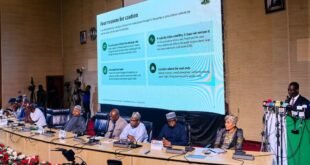
The Fiscal Policy Measures (FPM) 2026 were approved by the Minister of Finance and Coordinating Minister for the Economy, Taiwo Oyedele, on Wednesday.
This new policy cuts import duties on various goods that are important for household consumption and industrial activities, by targeting 127 tariff lines with reduced rates.
The new plan drawn up by the FG reveals a clear effort to ease the financial burden on Nigerian families. For staple foods, the results are striking. Import duties on bulk rice were reduced by almost half, from 70 percent to 47.5 percent, while broken rice experienced an even greater reduction to 30 percent.
READ ALSO: Nigerian government reduces import duties on essential goods
This is a direct effort to reduce the price of the country’s most important food item. Import duties on raw cane sugar have been reduced to between 55 percent and 57.5 percent, and crude palm oil is now subject to a tariff of 28.75 percent, down from 35 percent. These cuts are designed to reduce input costs for everything from everyday family meals to commercial food production.
Further analysis shows that the transportation and industrial sectors are also in focus. Import duties on passenger vehicles have been cut from 70 percent to 40 percent, a move that could lower the cost of car ownership.
More importantly, the government has completely exempted mass transit buses and electric vehicles (EVs) from import duties, an environmentally friendly tax policy aimed at reducing transportation costs and encouraging greener energy. Similarly, manufacturing machines now enjoy zero percent import duty, which is a clear signal of intent to revitalize the industrial sector and reduce production costs.
Although tariff cuts offer hope of relief, analysts and commentators have raised critical concerns regarding policy consistency and the future of domestic production.
Nonetheless, Nigerians are optimistic about the possibility of reducing pressure on the transport sector and, in the long term, reducing the costs of moving goods and people across the country, which may impact food prices and bus fares.