JamzNG Latest News, Gist, Entertainment in Nigeria
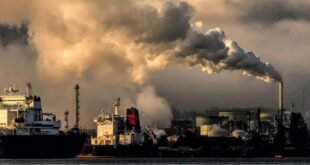
And with Brent crude still trading at more than $100 a barrel, many workers and households have returned to using oil and coal, raising fears of lasting environmental damage, while many countries have announced fuel rationing and shifted to online meetings.
It’s just over four weeks since the Israeli-US bombing of Iran began, sparking a wider regional conflict almost immediate disruption to tanker traffic in the vital waterway of the Persian Gulf reducing oil shipments around the world, followed by natural gas, coal, transport, food and fertilizer.
“Only a small group of LDCs [Least Developed Countries] are net energy exporters: South Sudan, Angola, Chad, Mozambique, Laos, Myanmar and Yemen,” it said UNCTADJunior Davis, Head of the Policy Analysis and Research Branch for Africa, developing countries and Special Programs.
“The majority are net importers, including Niger, Zambia, Rwanda, Ethiopia, Tanzania, Madagascar, Togo, Sudan, Uganda, Nepal, Eritrea, Benin, Bangladesh, Cambodia and Senegal.”
Even oil exporters are facing pain
Highlighting cases AngolaDavis notes that oil-exporting developing countries may gain only “limited benefits” from doing so, “because many lack domestic refining capacity and reimport refined oil products at higher prices”.
Nearby Zambia facing “greater difficulties” due to its reliance on refined fuels imported from the Middle East (and the UAE in particular), just as developing countries remain under pressure. “heavily dependent” on fertilizer produced abroadbecause the manufacturing process relies heavily on natural gas (methane) – explains the UNCTAD economist.
According to the Food and Agriculture Organization of the United Nations (F.A.O), The 17 poorest countries in the world need to import more than 30 percent of their cereal needs. What is even more worrying is that less developed countries spend more than half of their income from exports just on buying food.
“The implication is that rising energy prices will quickly impact food prices and increase the risk of hunger for households,” Davis said.
Limited space to maneuver
Finding a quick solution to the energy crisis will not be easy, given the high debt repayment rates that plague many of the world’s poorest countries – an issue that the UN Secretary-General has repeatedly criticized and urged the financial sector to reform, in the interests of fairness, competitiveness and growth.
“Given how much developing countries owe to foreign lenders and the public spending pressures they have faced for years, it is likely that households will have to pay more for energy, food and fertilizer, and use less energy. It won’t be pretty.”
Against this worrying backdrop, the UN trade and development agency, UNCTAD, noted that the world’s 15 Least Developed Countries have yet to recover from the tumultuous years caused by the COVID-19 pandemic, and their economies are in worse shape than in 2019.
Crisis measures
- Bangladesh: binding measures include fuel rationing and electricity restrictions (with restrictions on air conditioning, cooling and lighting) and university closures.
- Cambodia: reduced public sector energy use, online meetings, government travel restrictions, temperature controls, reduced fuel taxes to help consumers and tightened controls on petrol pump prices.
- Ethiopia: fuel economy is recommended.
- Myanmar: fuel rationing, alternative driving days, mandatory remote work for public officials.
- Laos: remote work and rotating shifts for civil servants, public campaigns promoting public transport, fuel rationing, transport restrictions, cuts in fuel taxes and subsidies.
- Senegal: reduced attractiveness of consumption for households and companies.