JamzNG Latest News, Gist, Entertainment in Nigeria
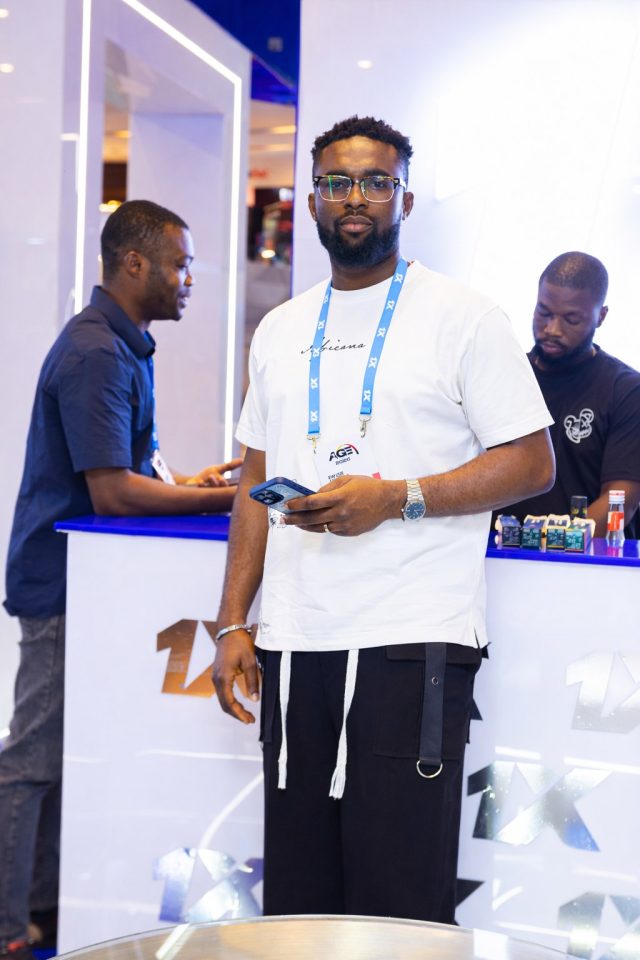
Nnanna Chigozie Ewuzie, Compliance Manager at 1xBet Nigeria, participated in the Responsible Gaming Symposium, where she focused on one of the biggest challenges to safer gaming in Africa: players must understand protection tools before they can use them effectively.
At the Symposium, Nnanna presented 1xBet vision on player education as a central part of responsible gaming. His comments were based on insights from the independently commissioned 1xBet research: Player Protection Index, which shows that in many African markets betting is still often seen not only as entertainment, but also as a potential source of income.
Education before warnings
Nnanna highlighted that responsible gaming tools are still important, but they are not enough on their own. Deposit limits, self-exclusion, and wait times can only work when players understand why these tools exist and how they can help.
“If we want a safer game, we must teach, not just warn players. A tool only works when a player understands it. A limit means nothing if a player doesn’t know why it helps,” Nnanna said.
This was the central idea of his contribution: education turns responsible play from a formal message into a practical option. When players understand the risks, probabilities, limits, and protection tools available, they are more likely to remain in control.
“Education turns a warning into a choice. It helps the player move from betting with hope to betting with control,” he added.
What the data shows
Player Protection Index research by 1xBet also points to a broader shift in the industry. According to the findings referenced by 1xBet, 69% of traders now agree that a safer player is more profitable over time. This suggests that player protection is increasingly seen not only as a regulatory requirement, but also as part of long-term business sustainability.
The research also shows that 84% of respondents believe that player education is the foundation of safer gaming.. At the same time, Simon Westbury, strategic advisor at 1xBet, highlighted that only a small part of operators firmly believe that players fully understand what “positive gambling” means.
For Simon, this shows a clear gap between the tools available and the way players understand them.
“Player education was the foundation of safer play. Positive play occurs when the player is educated and informed about their decisions,” Simon said.
He also linked safer gaming to long-term trust between operators and players.
“If you can retain a player and give them a safe and fun environment to play in, then they will stay with you longer,” he said.
Africa needs local and practical solutions
The debate also reflected the specific realities of African markets. Regulation, payment habits, languages, digital access and retail betting culture differ between countries. This means that safer gaming standards cannot simply be copied from other regions.
The 1xBet player protection index points to a 56%/44% split on opinions about how consistent player protection standards are across markets. For Nnanna, this reinforces the need for a common base that can be adapted locally.
That foundation should be simple: set limits, understand the probabilities, take breaks, and ask for help when needed. Each market can then adapt the language, examples, and delivery channels to its own context.
In markets where many players rely on cash or in-person betting, education may need to come through voice, video, visual formats, local languages, and store staff, not just through long texts or formal disclaimers.
“Simple words and images travel farther than long texts,” Nnanna noted.
From compliance to real understanding
Both Nnanna and Simon came to the same conclusion: safer gaming in Africa must go beyond fine print and generic warnings.
The industry still faces real barriers. Simon has noticed that 49% of respondents see commercial considerations as an obstacle to player protection.while 67% of gamers are apathetic towards safer gaming and player protection tools.. That’s why education is important: many players don’t use protection tools because they don’t see how those tools apply to them.
For Nnanna, operators and regulators must agree on what good education for players looks like. He outlined three practical steps: a shared standard for education, space to test what works, and honest sharing of data.
“We cannot build trust if we only show the good numbers,” Nnanna said.
For Simon, collaboration is also essential. Research shows that 96% of respondents believe that safe gambling is only possible through cooperation between operators and regulators.. This cooperation should help move player protection from a compliance requirement to something players can understand and use.
1xBalance and the next step
1xBet Responsible gaming work also includes 1xBalancea project and website dedicated to education, self-testing and helping players better understand their betting behavior.
Through the 1xBalance website, players can access simple educational materials, complete a self-assessment proof and use a budget calculator to better understand your spending habits. The idea is to make player protection smoother, clearer and less intrusive.
Instead of treating responsible gaming as a clinical or distant topic, 1xBalance presents it as something practical: a way for players to monitor themselves, understand their behavior, and make more informed decisions.
This reflects the main message of the Responsible Gaming Symposium: safer gaming will depend on education, cooperation and tools that players can truly understand.
For 1xBet Nigeria, Nnanna Chigozie Ewuzie’s participation showed that responsible gambling in Africa is not just a regulatory issue. It is also a communication challenge, an education challenge, and a trust challenge.
The next step is clear: teach better, explain earlier and help players turn protection tools into real options.