JamzNG Latest News, Gist, Entertainment in Nigeria
When Jamal, an Ethiopian man in his early thirties, sets out on what is known as the eastern route, he is not after work, wealth, or status.
He is looking for his sixteen-year-old nephew, who disappeared while trying to reach Saudi Arabia through one of the world’s most dangerous migration corridors.
Every year, tens of thousands of Ethiopians travel this route, crossing the arid regions of Ethiopia and Djibouti, the Gulf of Aden and war-torn Yemen.
Many of them are fleeing conflict, displacement, poverty or climate shocks.
Others are attracted by false promises spread by human traffickers who take advantage of desperation. According to the International Organization for Migration (IOM), the eastern route became increasingly violent, marked by kidnapping, extortion, and systematic abuse.
Jamal rests at a migrant shelter in Djibouti.
Jamal’s nephew was one of those kidnapped. Kidnapped in Yemen, the kidnapper demanded ransom. The family paid, but the boy was never released.
So Jamal followed and went looking for him.
“I had no choice,” he said. “My sister doesn’t have any other children. I have to go after her.”
To look for human traffickers
In Yemen, Jamal deliberately puts himself in the path of smugglers, hoping they will take him to the same location where his nephew is being held.
The plan worked. He is reunited with the boy, although he pretends not to recognize him to avoid suspicion. As Jamal begins planning their escape, he helps the other captives escape. Before he could escape, he was captured.
The punishment was immediate and brutal.
Jamal was forced to watch other captives being beaten, mutilated, and burned.
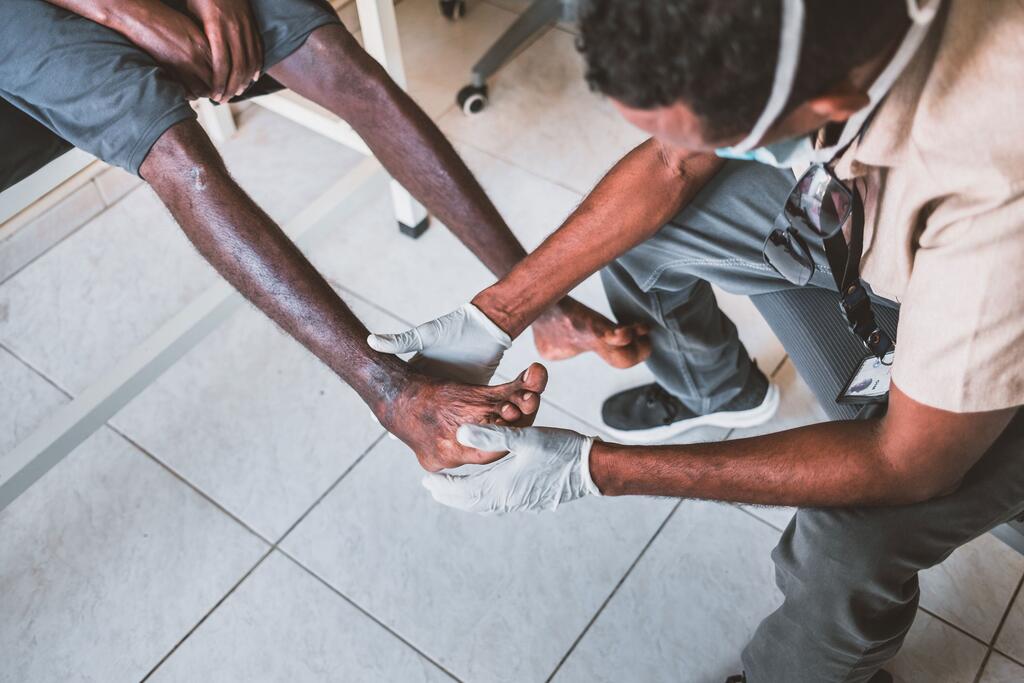
Jamal was treated for his injuries at a migrant shelter in Djibouti.
Then came his turn. Her captors repeatedly wrapped her legs in plastic and burned them. The burns left permanent damage, affecting the way he walked, the way he slept, and the way he lived out the memories of that night.
Their escape occurred only because a fight broke out between rival groups of people smugglers. In the midst of the chaos, Jamal and his nephew ran away.
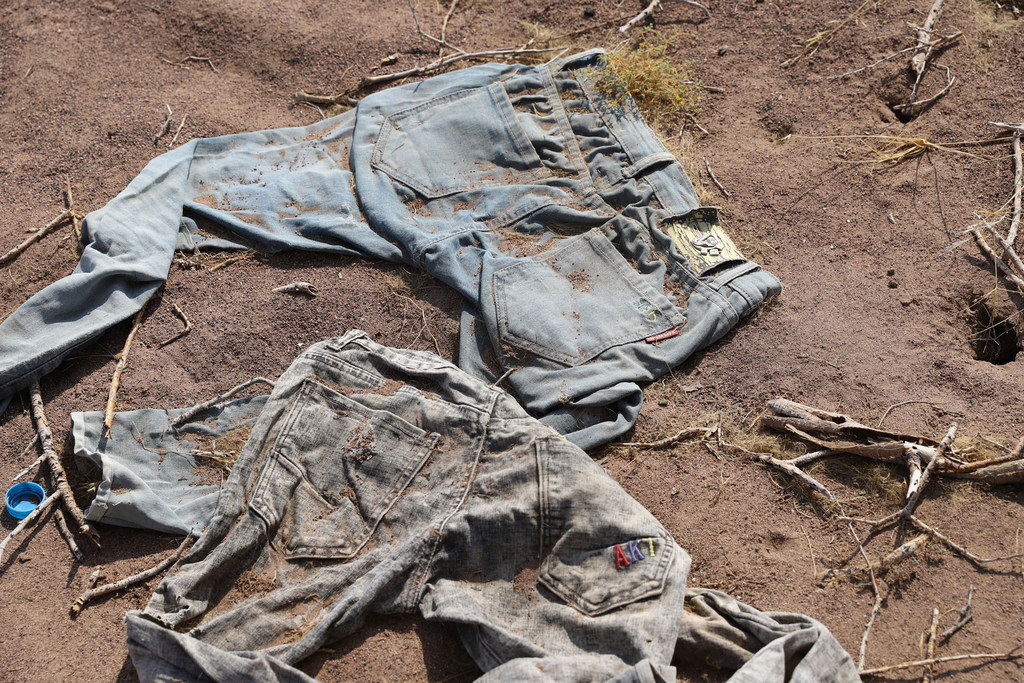
Clothes allegedly discarded by migrants lie in the Djibouti desert.
After months in Yemen, surviving by washing cars to earn enough money to leave, Jamal finally arrived in Djibouti. There, he was referred to the IOM Migrant Response Center in Obock, where he received medical treatment for his injuries and psychosocial support to begin processing what he had experienced.
For the first time since her ordeal, she said, someone not only asked where she came from, but also how she coped.
Today, Jamal is preparing to return to Ethiopia.
He hasn’t told his mother what happened. Even now, his worries were about her, not himself.
“He saw me leave in good health,” he said. “I’m worried about him seeing me like this. I have to explain it gently.”