JamzNG Latest News, Gist, Entertainment in Nigeria
United Nations World Health Organization (WHO) said on Monday that 20,000 doses of the Ervebo vaccine had been allocated to a research vaccination program in Ituri province.
The goal of the trial is to improve understanding of how effective the vaccine is against the disease Ebola Bundibugyo virus – and to protect individuals most exposed to the virus.
Under the microscope
The Ervebo vaccine has been “very effective” against Zaire’s Ebola virus in the past, however It is not yet known whether this drug can provide “meaningful protection” against Ebola Bundibugyo diseasewhich is still spreading in the Congo.
As much 70,000 doses are available to Congolese authorities to support the outbreak response and related research.
The epicenter of the outbreak remains the province of Ituri in eastern Congo, although the virus has spread to seven provinces since the virus was confirmed in May this year.
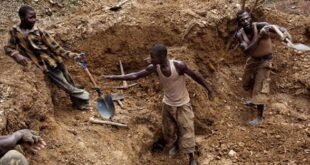
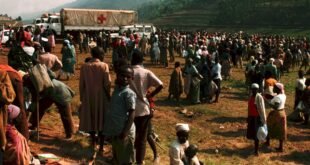
Those leading the response to the outbreak face numerous challenges related to the ongoing humanitarian emergency resulting from decades of violence in Congo’s vast and resource-rich eastern provinces.
In January 2025, the Rwandan-backed M23 militia took control of Goma, the capital of North Kivu province, before capturing Bukavu, the capital of South Kivu, a few weeks later.
First responder
In support of the Congolese authorities, WHO continues to strengthen surveillance of Ebola infection and transmission, conduct contact tracing, improve clinical preparedness and management, and ensure delivery of supplies.. The UN agency also supports community engagement and cross-border preparedness.
“Community involvement will be key. “Only when the community is involved in the response can the outbreak be controlled,” stressed WHO.
The latest health authority data shows a total of more than 7,600 confirmed infections including more than 3,670 deaths, with nearly eight in 10 infections recorded in Ituri.
Ervebo is the only Ebola vaccine licensed for use during the outbreak caused by the Bundibugyo virus. That WHO-supported panel which advised on the vaccine recommended earlier this month that Ervebo should only be used for research purposes initially.
They also stressed that the “unknown efficacy” of the vaccine against the Bundibugyo virus must be clearly communicated, although limited data and anecdotal reports suggest that Ervebo may provide “protection” against the disease.
It is the children who bear the brunt
Children are dying from Ebola at much higher rates than adults in this outbreak, although their number of cases is smaller, according to the World Health Organization (WHO) Africa office. Monday said.
Nearly one in four confirmed cases are children, yet they account for nearly one in three deaths – among toddlers, more than 60 percent of cases are fatal, compared with less than 30 percent in adults..
“The death rate in children under five years of age from the Bundibugyo virus continues to be higher than in older children and adults,” said Dr. Daniel Youkee, head of the Ebola case management team at WHO.
Young children require trained staff and child-sized equipment and medicines that are not always availableand isolation adds further emotional strain, according to Dr. Chaka Keita, pediatrician at ALIMA, which runs five treatment centers in Ituri province.
Treatment centers have been redesigned to allow more staff to have contact with children without PPE and allow family visits, and Ebola survivors are being recruited to work in high-risk areas. Children also have the right, with parental permission, to take part in ongoing clinical trials of Bundibugyo virus treatment.
Ebola Facts
Ebola is a severe and often fatal disease that attacks humans and other primates.
This virus is transmitted to humans through wild animals (such as fruit bats, hedgehogs, and non-human primates); the disease then spreads to the human population through direct contact with the blood, secretions, organs, or other body fluids of infected people. This disease can also be transmitted through contact with bedding or clothing contaminated with these fluids.
The average death rate from Ebola is around 50 percent, According to WHO. Case fatality rates have varied from 25 to 90 percent in previous outbreaks.
The first Ebola outbreak occurred in remote villages in Central Africa, near tropical rainforests.
The 2014–2016 outbreak of Ebola virus disease in West Africa was the largest and most complex Ebola outbreak since the virus was first discovered in 1976.
There have been more cases and deaths in this outbreak than in all other outbreaks combined. The disease also spread between countries, starting in Guinea then crossing land borders to Sierra Leone and Liberia.