JamzNG Latest News, Gist, Entertainment in Nigeria
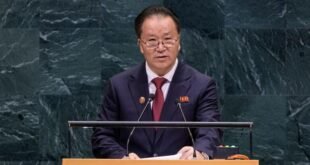
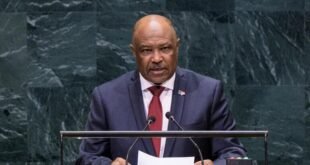
Addressing delegates at the Assembly‘S annual General DebateMs Adeng said the vote would give the people of South Sudan the opportunity to elect their own leaders democratically, 15 years after the country became independent.
He acknowledged that much work remains to be done: electoral institutions need adequate resources, political dialogue must continue, security arrangements must be improved, and refugees and internally displaced persons must not be ignored.
“The people of South Sudan must speak more and more for themselves, and they must speak through voting […] Political competition must no longer become armed confrontation. “Voting must replace bullets,” he said.
There is no return to war
Adeng said that South Sudan faced internal conflict shortly after its independence and implementation of the Comprehensive Peace Agreement, intended to end Sudan’s second civil war and develop democratic governance, took longer than expected.
“The government does not deny this reality,” he said, adding that existing challenges should not erase the progress that has been achieved.
Throughout the transition period, he said, President Kiir has made one clear commitment – that he “will not take South Sudan back to war”.
Arguing that peaceful elections require security, he called for constructive engagement with the government Security Council regarding restrictive measures.
“South Sudan’s goal is not militarization,” he said, but South Sudan’s goal is a professional, unified and accountable security force under civilian authority and the rule of law.
Sanctions must be an instrument to achieve peace with clear goals, he added.
Apart from maintaining peace
While thanking the UN Mission in South Sudan (DON’T MISS) and honoring the peacekeepers who have lost their lives, Ms Adeng said her country did not want to continue relying on international peacekeeping and called for greater investment in policing, justice, education and health services.
He urged international partners and investors to look beyond the challenges the country currently faces.
“Don’t just ask what South Sudan needs, ask what South Sudan can offer,” he said.
Regarding neighboring Sudan, Adeng said that South Sudan supports regional and international peace efforts, adding: “Even the longest conflict must eventually reach a negotiated resolution.”
He also reiterated his support for the Common African Position Security Council reform, noting that African Member States do not have permanent seats on the Council.
To the partners who supported South Sudan through its liberation and independence struggle, he said: “Stay with South Sudan again, but let this chapter be a partnership.”