JamzNG Latest News, Gist, Entertainment in Nigeria
The Benue State Government spent more than ₦160 million treating internally displaced persons (IDPs) for snake bites in a six-month period, while thousands of residents displaced by insecurity continue to face difficulties in accessing food, healthcare and adequate shelter.
The Executive Secretary of the Benue State Emergency Management Agency (SEMA), James Iorpuu, disclosed the expenditure while responding to concerns over the welfare of IDPs living in camps across the state. Project reports
Iorpuu said the funds were spent on health interventions between March and September 2026, with the state government arranging medical treatment for the affected IDPs at the Benue State Teaching Hospital in Makurdi.
He explained that the intervention was necessary due to inadequate support from humanitarian organizations and other partners, adding that SEMA continued to provide medical assistance to displaced people in need of urgent care.
According to him, the expenses only covered the treatment of snake bites, while the agency had also facilitated the treatment of other serious illnesses and medical emergencies affecting the camp residents.
The disclosure highlights the financial pressure associated with supporting displaced communities in Benue, where persistent insecurity has forced many residents to abandon their homes and livelihoods.
Health challenges in refugee camps
In addition to treating snakebites, Iorpuu said SEMA continued to provide assistance to internally displaced people through health services and the distribution of food and non-food relief materials.
He acknowledged, however, that the agency was operating under resource limitations that had impacted its ability to sustain the volume of assistance previously provided to displaced families.
The SEMA head said the amount of food distributed to the camps each month has decreased considerably from previous levels, reflecting difficulties in meeting the needs of the displaced population with available resources.
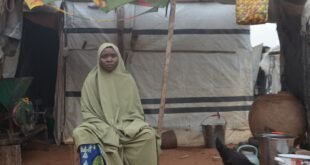
His comments came amid complaints from camp leaders who described living conditions in the 14 officially recognized IDP camps as increasingly difficult.
Leaders from Agagbe, Daudu and Mega camps, who spoke to reporters anonymously for fear of possible victimization, identified irregular food supplies, inadequate shelter, poor sanitation and limited livelihood opportunities among their key concerns.
They also raised questions about access to healthcare and the level of humanitarian assistance available to residents who have spent long periods away from their communities.
One of the camp representatives said that food distribution had become unpredictable despite expectations that relief materials would be provided monthly.
The representative said camp leaders had previously been invited by SEMA for a discussion after authorities learned that some displaced people in Makurdi and Guma were considering staging a protest over the prolonged absence of food assistance.
According to the camp manager, another distribution operation took place after the clash, but the amount of food provided was insufficient for the population’s needs.
The representative also said that about four months had passed since the last distribution, leaving many families unsure of when additional assistance would arrive.
The claims reflect a gap between the relief needs reported by camp residents and the resources the state agency says are available to support them.
Displaced residents seek a safe return home
For many internally displaced people, the immediate concern goes beyond food and medical care to the possibility of returning to their ancestral communities.
Camp leaders said some of the areas from which residents fled remain unsafe, making a permanent return difficult despite the challenges of prolonged displacement.
A representative said displaced families wanted to return home but could not safely do so as security threats persisted in their communities.
According to camp leaders, some residents from areas where hostilities have reportedly eased have begun making periodic visits to their communities to carry out economic activities and support their families.
However, such movements do not necessarily mean that conditions are safe enough for a full return, particularly for families who have lost homes, farmland or other sources of livelihood.
This situation illustrates the challenges facing displaced communities as they try to rebuild their lives while depending on humanitarian aid that may be irregular or insufficient.
Safe and sustainable resettlement would require not only increased security, but also the restoration of livelihoods and access to essential services in affected communities.
SEMA cites resource constraints, disputes protest claims
Responding to concerns, Iorpuu argued that the state government continued to support the displaced despite dwindling resources and difficulties in meeting their needs.
He also said SEMA is working with humanitarian partners, including the United Nations High Commissioner for Refugees, on resettlement-related interventions.
However, the agency head rejected claims that the proposed protest by internally displaced people was primarily motivated by food shortages.
Iorpuu said some people were encouraging the demonstration because of restrictions on visits to the camps. He provided no further details in the reported comments to corroborate the accusation.
His position contrasts with the account given by camp representatives, who link the planned protest to the absence of regular food distributions and broader concerns about living conditions.
The divergent accounts highlight the need for ongoing engagement between authorities and displaced communities to clarify concerns, assess immediate needs and improve communication about the provision of assistance.
While the £160 million spent on snakebite treatment represents a substantial health intervention, wider challenges identified by camp residents include food security, sanitation, shelter, livelihoods and the safety needed to return home.
For displaced populations, addressing these needs will remain essential to reduce dependence on emergency aid and create the conditions for a more secure and sustainable future.