JamzNG Latest News, Gist, Entertainment in Nigeria

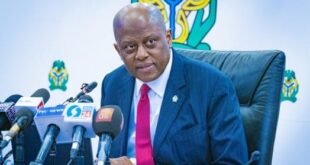
The Chairman of the Committee on Tourism of the House of Representatives, Hon. Bow. Muhammad Muktar, assured that all plans are underway to strengthen the laws regulating the tourism sector, so as to achieve sustainable growth and help it thrive.
He gave the assurance at the 2026 National Hospitality and Tourism Stakeholder Forum, with the theme: “Shaping the Future of Nigerian Tourism Together”.
He said the legislative arm is there to make laws that will shape the tourism industry and make it a sector that will drive the economy and improve the GDP of the economy.
“We have a bill that will include tourism and tourism-related issues in the concurrent list. Previously it was in the residual list and this is what creates bottlenecks for us because the states decide,” he said.
In his remarks, Nigerian Tourism Development Authority (NTDA) Director General Ola Awakan said the forum was not simply a ceremonial meeting, “it is a strategic convergence point designed to foster dialogue, strengthen alignment and catalyze actionable outcomes for the growth of the tourism sector.”
He said tourism, both globally and in our national context, thrives on a tripod structure of attractions, hospitality and transportation.
He said attractions represent rich natural endowments, cultural heritage, festivals and creative resources, while hospitality defines the quality of experiences and services provided to visitors; and that transport ensures accessibility, connectivity and ease of movement between destinations.
“The effectiveness of our tourism sector therefore depends on how well these three pillars are developed, integrated and managed.
“Nigeria is undeniably blessed with immense tourism potential. From our diverse ecological landscapes to our vibrant cultural expressions and globally recognized creative industry, we possess the resources needed to become a leading tourism destination.
“However, it is also important to recognize that the sector has not yet reached its full potential. Challenges such as fragmented institutional coordination, infrastructure deficits, limited global visibility and inconsistencies in regulatory frameworks have limited growth.
“Despite these challenges, we are at a crucial juncture in our journey, supported by renewed political direction, growing private sector interest, President Bola Ahmed Tinubu GCFR’s “renewed agenda of hope” and the enabling provisions of the NTDA Act, 2022, which provides a stronger legal and institutional basis for transformation.
“We are strengthening the policy and regulatory framework to ensure clarity, consistency and investor confidence, while ensuring compliance across the tourism ecosystem.
“At an institutional level, we are building the capacity to create a more responsive, efficient and results-oriented organisation, capable of driving reform and innovation. In the area of tourism marketing, we are repositioning Nigeria’s image through targeted campaigns, strategic partnerships and greater participation in global tourism platforms.
“We are also emphasizing research and development by promoting data-driven decision making to guide planning, policy formulation and investment strategies.
“Additionally, we are facilitating tourism investment and infrastructure development to unlock the full value of our destinations, while prioritizing human resource development to improve professionalism, skills and service delivery across the sector.
“Quality assurance remains at the heart of our efforts, as we strive to ensure standards through systematic inspection, certification and continuous monitoring of tourism businesses,” he said.