JamzNG Latest News, Gist, Entertainment in Nigeria
But over the last 20 years, the UN Peacebuilding Fund (PBF) has quietly helped countries avoid violence, recover from conflict, and build a more peaceful future for their citizens.
Today, it is the UN’s primary means of investing in peace before crises spiral out of control.
As the UN marks its first peacebuilding weekhere’s what you need to know about the innovative Fund.
Described as a “financial instrument of first choice,” think of the Peacebuilding Fund as the UN’s emergency peace fund.
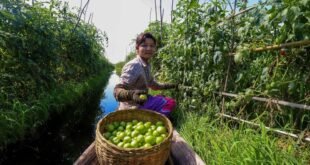
Women in Kyrgyzstan have strengthened cooperation between ethnic groups through agricultural projects supported by PBF.
Created by UN Member States in 2005, the program provides rapid funding to countries at risk of conflict or trying to recover from it. Unlike traditional aid programs that take years to implement, the Fund is designed to move quickly when the window for peace opens.
The guiding principles have remained the same for two decades: it must be fast, flexible, and must accelerate change and be nationally owned.
Who does it support?
The fund works through governments, local communities, civil society organizations, women’s groups, youth networks and with more than 20 UN agencies.
Its reach is global. Over the past two decades, they have supported peacebuilding efforts in more than 75 countries and territories, from Sierra Leone and Colombia to Papua New Guinea, Kyrgyzstan and Haiti.
Ultimately, the beneficiaries are ordinary people: societies rebuilding after war, young people seeking opportunity rather than violence, women mediating in disputes, and families hoping for a more stable future.
Securing peace
This fund supports projects that help communities move away from conflict and toward peace.
That could mean:
- Support peace agreements and political transitions
- Uniting divided communities through dialogue and reconciliation
- Restore essential services and local institutions
- Creating jobs and economic opportunities in communities recovering from violence
- Supporting women and young people to take leadership roles in peacebuilding
In short, they invest in things that make peace last.
Why is this important?
Peacebuilding seeks to avoid the escalation of local conflicts.
By helping countries deal with tensions early, the IMF aims to prevent violence before lives are lost and people are forced to flee.
This fund also fills a unique gap in the UN system. It can take risks, move quickly and support initiatives that other donors may not be able or willing to fund.
As recognized by UN member states, peace is not just about ending war, but also about inclusive societies.
Women attend workshops in Peru focused on promoting peace at the community level.
What success has he achieved?
The IMF’s work spans all regions of the world.
In the Sierra Leonethis contributed to peaceful elections and strengthened institutions after a devastating civil war while supporting young people.
In the Papua New Guineathey supported preparations for Bougainville’s historic referendum, which would allow voters to participate peacefully in decisions about their political future.
Throughout Kyrgyzstan-Tajikistan Border, helping communities turn disputes over land and water into cooperation and shared development.
In Guatemala, they supported indigenous women seeking justice for wartime sexual violence, and helped obtain landmark, internationally recognized sentences.
And in countries including Central African Republic And Democratic Republic of the Congothis has helped former combatants return to civilian life, supported women mediators and strengthened community resilience.
Invest in women
One of the Peacebuilding Fund’s biggest investments is not in governments, but in people.
Over the years, the IMF has been one of the UN’s largest funders of women-led peacebuilding initiatives, supporting mediators, negotiators, community leaders and grassroots organizations working on the front lines of conflict prevention.
From brokering local peace agreements to supporting survivors seeking justice, thousands of women have played a direct role in building peace through IMF-supported projects around the world.
Women in Kadugli in Sudan participate in village savings funds as part of efforts to build the well-being and resilience of their community.
Funds in amount
More than:
- 75 countries and regions supported
- $2 billion invested
- 1,150 peacebuilding projects funded
- 120 recipient organizations and funding mechanisms supported
Demand for PBF support is increasing not only because there are more conflicts, but more countries want to do more to prevent and avoid conflict.
The main thing is
For 20 years, the Peacebuilding Fund has operated on the simple premise that investing in human capital to build peace is cheaper, smarter, and more humane than providing aid after conflict has erupted.
The efforts undertaken may not always make headlines, but for millions of people living in vulnerable environments, they could be the difference between a return to violence and a chance for a more peaceful future.