JamzNG Latest News, Gist, Entertainment in Nigeria
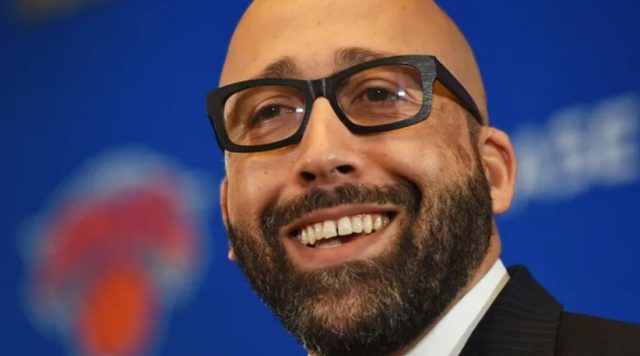
D’Tigers head coach David Fizdale has revealed why he accepted the challenge of leading Nigeria’s senior men’s basketball team, insisting his mission is to return the former African champions to the top of basketball on the continent.
The former NBA head coach, who previously coached the Memphis Grizzlies and New York Knicks and served as an assistant coach with the Miami Heat, Los Angeles Lakers and Phoenix Suns, said he viewed the D’Tigers job as too good a challenge to ignore after stepping away from coaching in the NBA.
Read also: D’Tigers: David Fizdale reveals what inspired Nigeria’s dramatic victory over Tunisia | Sports247 Nigeria
Fizdale has already made an encouraging start in Nigeria, guiding D’Tigers to a perfect record in the recent FIBA Basketball World Cup African Qualifiers, with wins over Tunisia, Guinea and Rwanda to revive the country’s qualification hopes.
“After taking a break from coaching in the NBA, this was a challenge I couldn’t refuse. I accepted the job because I believe we can make D’Tigers one of the best teams in Africa again,” said Fizdale.
The American tactician said he would never have accepted the position if he did not believe he could have a significant impact, and emphasized that rebuilding a team with Nigeria’s rich basketball tradition was a challenge that motivates him.
Nigeria remains one of Africa’s most successful basketball nations, having won the FIBA AfroBasket 2015 title and represented the continent at multiple Olympic Games and FIBA World Cups. However, recent struggles saw D’Tigers drop down the continental standings prior to Fizdale’s appointment.
“I wouldn’t have taken this job if I wasn’t ready to work. The early signs have been positive, but we still have a long way to go,” he added.
Fizdale praised the commitment shown by his players during the recent qualifying window and noted that the team has adopted his philosophy despite having limited time together.
After an unbeaten start under his leadership, the D’Tigers coach believes Nigeria has the talent, character and ambition to return to the top of African basketball and become a consistent force on the world stage.