JamzNG Latest News, Gist, Entertainment in Nigeria
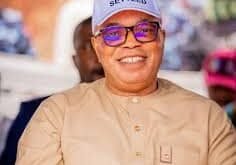
Nigerian Democratic Congress (NDC) presidential candidate Peter Obi, has provided an explanation for his refusal to quit his African Democratic Congress (ADC) colleague, Atiku Abubakar, ahead of the 2027 presidential election.
According to him, any decision regarding a possible opposition alliance must now be taken by political parties, not individual candidates.
Obi said the issue was no longer about whether he or Atiku would personally make way for the other, stressing that both were now presidential candidates of different political parties.
The former governor of Anambra State stated this in an interview with Arise Television broadcast on Thursday, where he spoke extensively on the 2027 elections, opposition coalition, economy, national unity, security and governance.
When asked if he was willing to step down for Atiku, Obi said, “Do you know where we are now? Where we are now is I am a candidate, my leader Atiku is a candidate of another party, so you are talking about two parties coming together; no longer me or me, because you are now talking about parties coming together.
“All parties have candidates. So, this is a discussion. It’s no longer me, like Peter, doing the talking. This is like a situation where two companies are trying to come together. This is no longer something where the two CEOs have a drink and say, ‘We’re going to work together’. They need to find a way to bring these two companies together.”
The comments come amid ongoing efforts by opposition politicians to forge a common platform capable of challenging President Bola Tinubu and the ruling All Progressives Congress in the 2027 presidential elections.
In 2025, Obi, Atiku and other opposition leaders were involved in a coalition that adopted the ADC as its platform, raising hopes that the former allies could work together again ahead of the 2027 elections.
ALSO READ: Former OpenAI researcher warns AI could overtake and kill humans
However, this coalition does not mean that Obi and Atiku will fight in the 2027 presidential election on the same platform.
Obi then emerged as the NDC presidential candidate, while Atiku became the ADC presidential candidate.
But Obi said the question must now be considered in the broader context of a possible agreement between political parties, not as a personal negotiation between himself and Atiku.
According to him, the presence of candidates from various opposition parties means that any merger or alliance requires negotiations over how the different political structures will be integrated.
The NDC candidate was also asked whether he would accept the position of deputy president if there was a deal with Atiku.
Obi denied that he had previously rejected the offer to become Atiku’s running mate.
“I don’t know where it was said. I wasn’t even in a position to be offered it, and I turned it down,” he said.
The former Anambra governor also used the interview to differentiate between the economic policies he would maintain if elected and the areas he would seek to change the direction of the Tinubu administration.
When asked to name one policy of the current government that he would maintain if elected president, Obi identified the floating exchange rate of the naira.
“There is one thing – the floating Naira. I will not defend it. But I will prioritize productivity to make it more valuable to society.”
Apart from the economy, Obi warned that ethnic considerations should not dominate the 2027 presidential election.