JamzNG Latest News, Gist, Entertainment in Nigeria
“We know that comprehensive emergency obstetric and newborn care has been suspended at two hospitals, in Marib and Ras Al-Arah, as staff and surgical capacity have been diverted to trauma care to treat the injured,” said Dr Annette Heinzelmann, UN World Health Organization (UN)WHO) Regional Emergency Director for the Eastern Mediterranean.
Speaking from Cairo via video link, Dr Heinzelmann noted that more than 20 mobile medical teams supported by WHO have been deployed across priority provinces where vulnerable people are arriving.
Stocks of life savers are running out
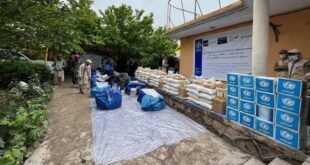
The agency has also sent nearly 60 tons of medical supplies worth about $656,000 to 40 facilities and offices in 10 provinces. But “several lines of life-saving supplies” at the WHO warehouse in Aden were empty, including trauma equipment and essential medicines.
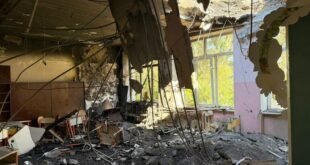
Briefing journalists in Geneva, Dr Heinzelman said that nine health facilities had been damaged or directly attacked, most of them close to the cities of Taiz, Lahj and Hudaydah. He stressed that refugee families urgently need maternal and child health services, nutritional assistance, vaccinations and mental health support.
Even before this increase occurred, only about 60 percent of health facilities were fully functional, with very limited capacity to perform trauma surgery, blood transfusions, and intensive care.
Cholera already exists in Yemen with around 7,800 suspected cases and 22 deaths reported this year, but fears of an outbreak are growing due to unsafe water and poor sanitation in temporary shelters, Dr Heinzelmann warned.
Early treatment of cholera is critical to saving lives, but health services in Yemen are overwhelmed as clashes between Houthi opposition fighters and government forces resumed two months ago, after four years of relative calm.
Danger of dengue fever
Apart from cholera, dengue fever has also been linked to 37 deaths in Yemen, while more than 22,000 cases of measles have been identified.
According to health authorities in Aden, since August 6, new clashes in southwest Yemen have caused more than 4,481 casualties including 830 deaths.
Echoing the humanitarian community’s growing concern for the Yemeni people, the UN aid coordination office, Ocha, repeat warning of critical levels of hunger among children affected by conflict.
Of the nearly 2,900 children examined, more than one in four had acute malnutrition, while about 200 children had severe acute malnutrition, the Office said in an online statement. warning.
According to WHO, more than 180,000 people have now been displaced by fighting that saw Houthi forces take over Yemen’s Red Sea coast and reportedly announce a blockade of shipping from Saudi Arabia, which supports the government in Aden.
The latest data from the health agency also shows growing needs in Djibouti, which is now home to more than 3,600 Yemenis who have risked their lives to make the treacherous sea crossing since September 10. Nearly half of the new arrivals are children and WHO partners are preparing for the potential arrival of 5,000 to 10,000 people in the coming weeks.
“This influx of refugees places additional pressure on a country already facing severe health and humanitarian needs, with recent high rates of malnutrition, cholera, and persistent risks of measles and malaria,” said Dr Heinzelmann.