JamzNG Latest News, Gist, Entertainment in Nigeria
This week the US Department of State announced a contribution of more than $800 million to the World Food Program (WFP) and a more than $218 million partnership with the United Nations Children’s Fund (UNICEF).
These developments come at a critical time when global hunger is reaching record levels, humanitarian needs are increasing, and resources are under increasing pressure. This follows nearly $4 billion in US pledges to UN humanitarian operations in recent months
A ‘Lifeline’ for hungry families
Contributions to WFP will support life-saving food and nutrition operations for more than 38 million people in at least 37 countries.
“This is a way to reach people on the brink of starvation, provide nutritional support to mothers and children, and provide food to prevent millions of people from falling further into extreme hunger,” said Carl Skau, Acting Executive Director of WFP.
This funding will enable WFP to deliver aid quickly and cost-effectively through a global logistics network, pre-determined food supplies and data-driven targeting.
Respond to disasters and emergencies
The focus is on key areas including disaster preparedness and rapid response in countries in three regions – Latin America and the Caribbean, Asia and the Indo-Pacific – that are vulnerable to devastating natural disasters.
Funding will also support life-saving emergency response and nutrition measures in complex and protracted humanitarian crises.
Mr Skau gave examples of planned support, such as expanding famine relief operations in Lebanon, increasing cash assistance to refugee families in Haiti, and improving food supply lines and logistics in Ebola-affected areas in the Democratic Republic of the Congo (DRC).
International support is important
“We hope that this commitment will be followed by the international community,” he said. “Together, we can overcome hunger and save millions of lives.”
The WFP emphasizes the critical role of bilateral funding at a time when “extreme hunger is destabilizing societies – triggering migration, insecurity, economic loss and untold hardship.”
Record partnerships for children
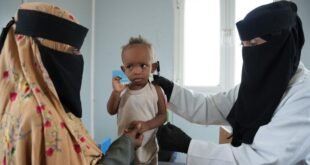
UNICEF’s 12-month partnership will be successful support efforts to provide life-saving assistance more quickly and effectively to children experiencing natural disasters and complex crises, including those suffering from severe malnutrition or wasting.
It is one of the largest humanitarian initiatives focused on the survival and well-being of children, according to the agency.
“This investment will help us reach children more quickly with life-saving assistance, strengthening local systems and partnershipsand expanding access to essential nutrition services for children most at risk,” said Catherine Russell, UNICEF Executive Director.
Targeted investment and treatment of malnutrition
The partnership will support emergency operations across UNICEF regions and major humanitarian crises, while providing targeted investments in Ethiopia, Myanmar and Ukraine.
In addition, through the nutrition component, UNICEF hopes to screen more than 4.4 million children for malnutrition and provide treatment to nearly 950,000 children suffering from malnutrition.
This investment will also help strengthen the global supply chain providing ready-to-use therapeutic foods (RUTF) and improve access to treatment in some of the most difficult operating environments.
In addition to relief assistance, the partnership will also support ongoing efforts by humanitarian agencies globally to increase efficiency, strengthen local leadership, and improve coordination.