JamzNG Latest News, Gist, Entertainment in Nigeria
The Governor of the State of Borno, Babagana Zulum, announced the resetting of 6,000 families displaced by the insurgents of Boko Haram, the families come mainly from the areas of the local government of Dikwa and the Mafa.
Zulum announced the plan on Monday at the Camp of Muna IDP, one of the largest with about 11,000 families who take refuge due to the crisis of the age of Borno.
Telling to journalists, Zulum reiterated that the resetting became imperative due to the high level of illegal activities in the field.
“Boko Haram can never be uprooted without resetting. People have to return to their homes and earn sustenance. We have observed that in the field of the IDP there is a growing prostitution, a growing gangsterism, cases of abuses on minors and other criminals,” said Zulum.
“If I could remember, about four years ago, we announced that all the formal IDP fields within the metropolis of Maiduguri would have been closed. So far, so well, we have all closed, about 12 of them. We have two informal fields that remained. Added.
According to the Governor Zulum, each of the 6,000 families will receive food aid, shelter materials and access to health services as part of the resetting process.
The governor has also announced that while every chief of male and female families receives N100,000, further n50,000 will be distributed to housewives.
In the meantime, Governor Zulum has also announced a plan to update the professional acquisition center and skills at Maiduguri Maximum Security Correctional Facility to improve rehabilitation and reduce the tendency to prisoners to fall into criminal activities.
The governor, who visited the structure on Monday morning, underlined that the essence of the sentences in prison is to transform life, not only to limit people. He said: “I am here to examine the living conditions of the prisoners here, especially in the areas of technical and professional skills.
The essence of keeping them in the corrective structure is largely to reform them, but this cannot be feasible without structures on the ground. We can also examine the cases of some prisoners and, within the law, we will examine the possibility of issuing those who are sentenced for minor crimes, “said Zulum.
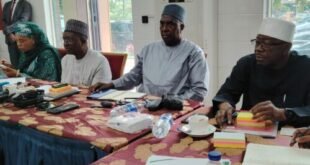
Governor Zulum was accompanied by a member of the House of Representatives, Engur Bukar Talba, the head of the interim staff, Dr. Babagana Mallumbe, the special councilor for religious affairs, Sheikh Modu Mustapha and the permanent secretion of the government’s house, Barrister Mustapha Ali Busuguma.