JamzNG Latest News, Gist, Entertainment in Nigeria
Why this matters: About 20 percent of the world’s gas and oil supplies pass through the Strait of Hormuz, a narrow waterway between Iran and Oman, and much of it closed to maritime traffic since the outbreak of the conflict between Iran and the United States.
These disruptions to supply have caused countries to experience price fluctuations, geopolitical shocks, and supply disruptions.
“The turmoil we are seeing in the Middle East shows that we are facing a global energy system that is largely dependent on fossil fuels.,” said UN Secretary General Antonio Guterres“as supplies are concentrated in a few regions and any conflict risks sending shockwaves through the global economy, especially for the most vulnerable groups.”
Renewable energies, such as solar, wind and hydropower offer stable, domestic and increasingly cheap energy.
They do too rapidly overtaking fossil fuels as the backbone of the modern energy system, not only for climate reasons, but also for security and economic resilience.
Promotion of renewable energy
“Renewable energy has almost equaled fossil fuels in global installed electricity capacity,” said Mr Guterres in July last year added that “no price spikes on sunlight… no embargo on wind.”
Renewable energy is now “the foundation of energy security and sovereignty,” he said.
It also reduces emissions, reduces pollution, creates jobs and lowers long-term costs, a combination that is driving global change that is already visible in some leading countries.
Norway: Backbone of hydroelectricity, dependence on oil is fading
The big picture: Norway remains a large oil and gas exporter, but domestically, the electricity system is highly renewable, thus ensuring a stable and controlled energy supply within the country.
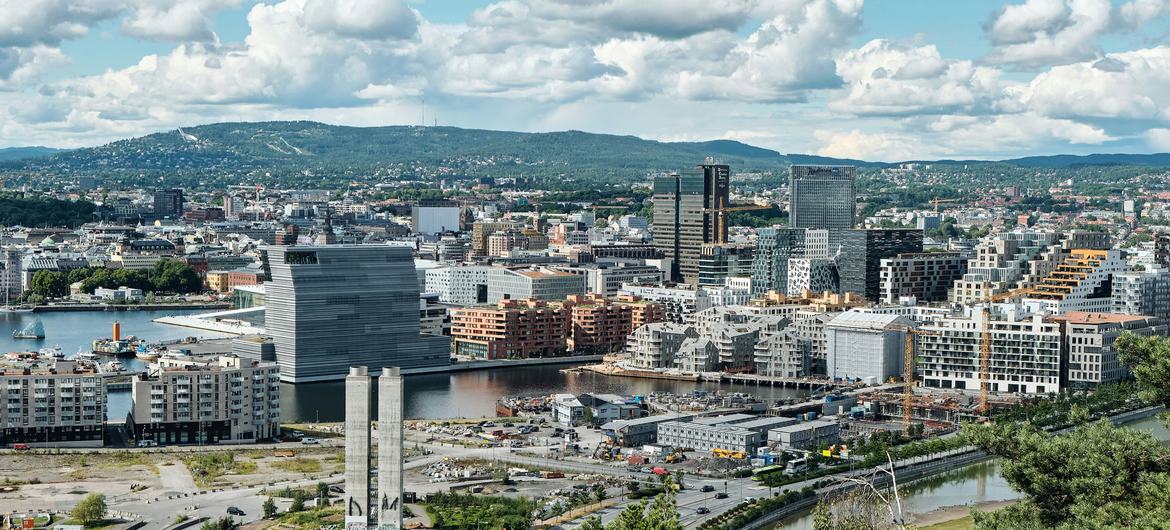
Norwegian cities, such as the capital Oslo, are mostly powered by renewable energy.
Energy mix:
- Hydroelectricity dominates (approx 90–95 percent of electricity generation)
- The growing wind power sector
- Minimal use of fossil fuels in electricity generation
The country is also progressing towards a full transition including electrification of transport, expansion of offshore wind power generation and a gradual shift away from the use of fossil fuels in the domestic sector.
Read more here about which countries are moving towards renewable energy: UN Energy Statistics Handbook 2026
Paraguay: Renewable power generation
The big picture: Paraguay is one of the world’s clean energy leaders, generating its entire electricity grid from renewable energy, especially hydropower.
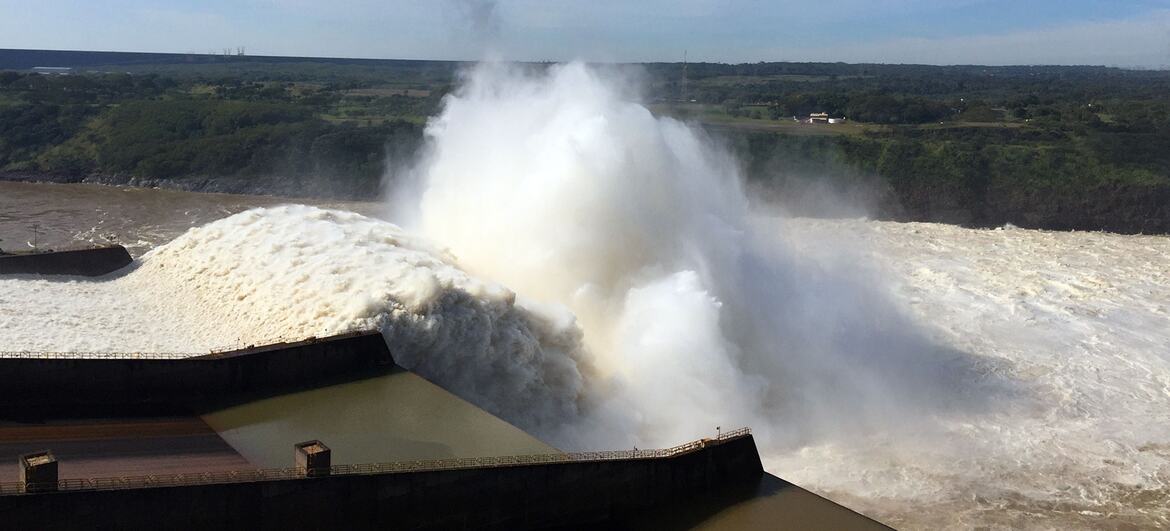
The Itaipu hydroelectric dam on the Paraná River is jointly operated by Brazil and Paraguay.
Energy mix:
- Almost 100 percent hydroelectric power generation (shared binational dams such as Itaipú)
- The use of fossil fuels in electricity is negligible, although the transportation sector still depends on fossil fuels
With abundant hydroelectric power generation, Paraguay enjoys low-cost electricity, energy independence, as well as export revenues from electricity surpluses.
Nepal: Hydroelectric power is changing lives
The big picture: Nepal has rapidly developed hydroelectric power generation and now produces almost entirely renewable electricity for its power grid, although the transport sector still relies on fossil fuels.
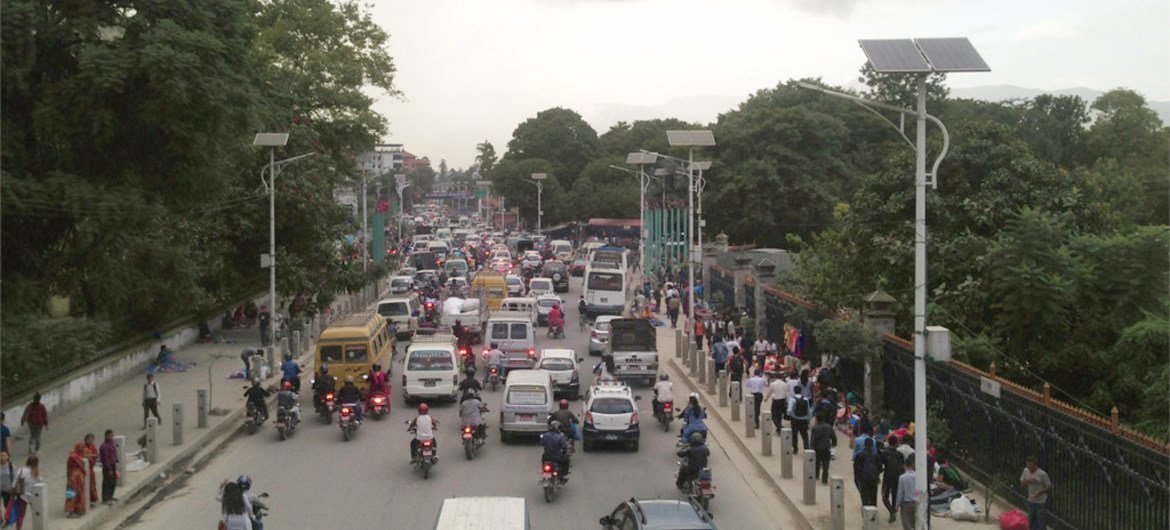
Solar-powered lights line a busy street in Kathmandu, Nepal’s capital.
Energy mix:
- Dominated by hydroelectric power plants
- Small but growing solar and micro-hydro power systems
- Reduced dependence on imported fossil fuels for electricity
UN data shows about 98 percent of Nepal’s overall electricity capacity comes from renewable energy.
Hydropower reduces Nepal’s dependence on imported fuel and helps stabilize energy supplies in a country that is mountainous and has limited infrastructure.
The landlocked country is now seeking to expand rural electrification, develop decentralized renewable energy systems, and shift from traditional wood cooking to more environmentally friendly energy, reducing household pollution that particularly impacts women and children.
Ethiopia: Renewable energy expands access and opportunity
The big picture: Ethiopia is emerging as a renewable energy leader in Africa, with a system dominated by hydroelectric power and expanding solar power.
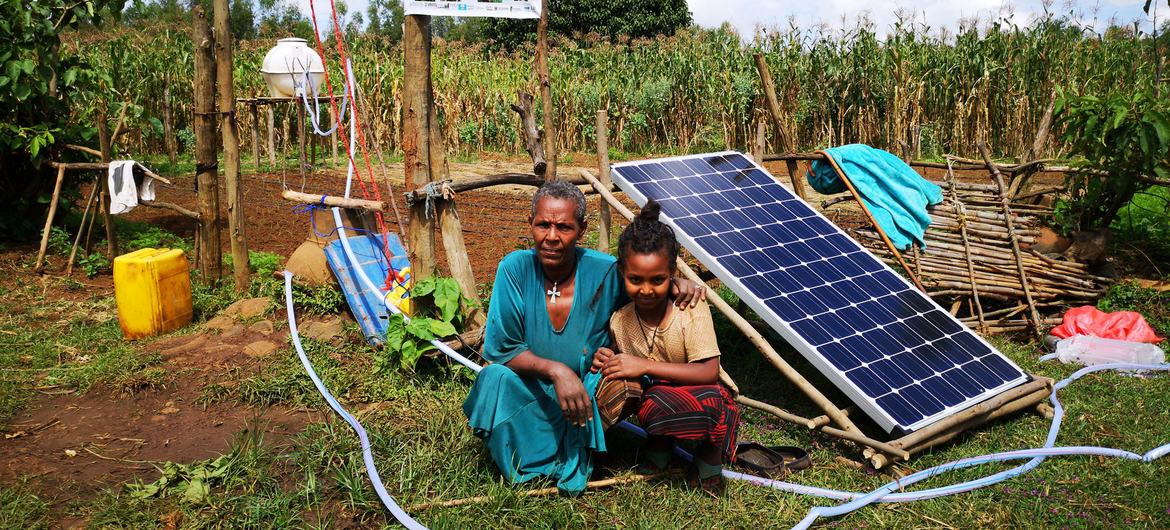
Solar power is helping farmers in Ethiopia irrigate their crops more efficiently.
Energy mix:
- Large-scale hydroelectric power generation from large dams
- Increased solar and wind power capacity
- Minimal generation of fossil fuels in the electricity sector
UN data shows more than 98 percent of Ethiopia’s electricity capacity is renewable energy.
Renewable energy is at the heart of Ethiopia’s strategy to achieve universal electricity access, especially for communities far from the national electricity grid, to reduce dependence on imported fuels and support economic development.
The main thing is
Across countries, from hydropower-rich Norway and Paraguay to developing nations such as Nepal and Ethiopia, a general pattern emerges:
- Renewable energy increases energy independence
- This stabilizes costs and reduces exposure to the global crisis
- This provides real benefits for society, ranging from jobs, health, to opportunities
The transition has not been uniform, and challenges remain, especially in the areas of financing and infrastructure.
But as UN Secretary-General António Guterres said, “the energy transition cannot be stopped…Renewable energy can put power, literally and figuratively, in the hands of communities and governments.”
Empowering other countries
Of course, not all countries benefit from reliable hydropower and solar power sources, nor the funds to utilize these renewable energy options.
Find out more about how other countries with fewer natural resources and larger populations are moving towards energy security in the second part of the UN News series on renewable energy.