JamzNG Latest News, Gist, Entertainment in Nigeria
From patients unable to stop bleeding to people dying suddenly due to undetected blood clots, Professor Theresa Nwagha says Nigeria must treat blood clotting disorders as a public health priority rather than waiting until they become an emergency.
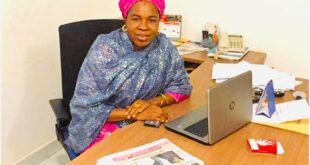
Blood has a simple function: it must continue to flow throughout the body to sustain life, but when blood vessels are damaged, the blood must also be able to clot quickly enough to stop potentially fatal bleeding. It is this delicate balance that Professor Theresa Nwagha studied at her 252nd inaugural lecture at the University of Nigeria, Nsukka.
But behind the science of hemostasis lies a broader warning about Nigeria’s health system: when the mechanisms that maintain blood flow and clotting fail, patients can face dire consequences—and the country’s health care system is not always prepared to prevent that.
While delivering a lecture entitled “Blood Fluidity Balance: From Bleeding to Clotting in Health and Disease,” Nwagha, Professor of Hematology and Coagulation Medicine at the University of Nigeria College of Medicine, called for greater government investment in the prevention, diagnosis and treatment of bleeding and blood clotting disorders.
He argues that the problem goes far beyond specialized hematology clinics. Bleeding and blood clotting disorders intersect with pregnancy, cancer, surgery, acute illness, and other areas of medicine.
The university’s description of the lecture said that Nwagha utilized his clinical and research work to examine conditions ranging from hemophilia, von Willebrand disease and disseminated intravascular coagulation to venous thromboembolism and pregnancy-related hypercoagulable conditions and cancer.
A lesson that begins with death
For Nwagha, the subject is not just academic.
He recalls an experience early in his medical training that shaped his career: watching a young pregnant woman die from disseminated intravascular coagulation (DIC), a serious condition that causes the blood clotting system to be dangerously disrupted.
This experience, coupled with his encounters with patients suffering from hemophilia, exposed him to two opposing but equally dangerous failures of the body’s clotting system.
“On the one hand, the blood refuses to clot when it should, on the other hand, the blood clots even though it should not clot,” he said. “Both can be fatal,”.
These experiences ultimately led Nwagha to build a career in hemostasis and thrombosis, describing herself in lectures as a public health hematologist, clinical trials expert and women’s health scholar.
When the treatment itself becomes a burden
One of Nwagha’s greatest concerns is not only whether treatment exists, but whether Nigerians can afford it. He highlighted the high cost of medicines and treatments used to treat bleeding and blood clotting disorders and questioned whether the average Nigerian could realistically afford them.
“For patients with chronic bleeding disorders, treatment does not necessarily only require one-time costs,” he said. “Access to the right products can determine whether a patient experiences recurrent bleeding episodes, experiences complications, or is able to live a relatively normal life.”
Nwagha therefore called for government investment to reduce the burden of treatment and ensure that patients can access the medicines and care they need. The argument is that leaving the bulk of treatment up to individual patients and families would create a system in which survival depends largely on ability to pay.
Hemophilia treatment addiction in Nigeria
This concern becomes especially real in the treatment of hemophilia. Nwagha said Nigeria is “100 percent dependent on medicinal products”, and warned of the vulnerabilities caused by reliance on donated products.
He said the government needed to step in and start purchasing treatment products for hemophilia patients rather than relying too heavily on humanitarian aid.
The World Hemophilia Federation has supported hemophilia treatment in Nigeria, including assistance with treatment products and comprehensive treatment programs. Nwagha himself was previously involved in hemophilia research and treatment initiatives in Nigeria.
Therefore, the concern is not only about the current availability of treatment, but also the sustainability of that treatment. If humanitarian donations stop, what happens to the patients who depend on those products?
He argued that this was a question that the government could no longer postpone.
Nwagha said government intervention must go beyond making occasional statements about bleeding disorders.
He called for procurement of treatment products, development and implementation of healthcare guidelines, integration of bleeding disorders treatment into primary healthcare and steps to make treatment more affordable. He also argued that Nigeria needs a stronger system to identify patients early rather than waiting until they arrive at hospitals with life-threatening complications.
For him, hemophilia and other bleeding disorders should be considered a public health problem that requires ongoing planning, funding and government policy attention.
Another danger: if the blood clots
While uncontrolled bleeding may be the more obvious danger, Nwagha is paying close attention to the opposite problem: blood clotting when it shouldn’t be.
He focuses on venous thromboembolism (VTE), which occurs when blood clots form in blood vessels and can block circulation or travel to the lungs, causing pulmonary embolism.
Nwagha described blood clots as an important cause of sudden death and said they can occur in both apparently sick and apparently healthy people.
Contemporary accounts of his lectures say that he cited about 10 million cases of blood clots globally each year, which is associated with about two million deaths.
“The danger is that VTE goes undetected. A person may not realize that a blood clot has developed until it causes serious or fatal complications,” he said. “This makes prevention and early recognition very important.”
Hospitals may not heed these warning signs
Nwagha’s concerns about VTE go beyond individual awareness.
He argues that health professionals themselves need greater training to recognize patients at risk of dangerous blood clots. He identified situations including surgery, cancer, pregnancy, prolonged hospitalization, and immobility as important risk contexts.
The message is clear: hospitals should not wait for patients to experience symptoms of blood clots before considering the risks. Instead, patients should be assessed for risk of thrombosis and preventive measures should be considered if necessary.
The published description of his lecture also identified hospital-wide risk assessment and thromboprophylaxis as central themes of his presentation.
People need to know
Nwagha said public awareness is critical because many people may not be aware of the circumstances that increase the risk of thrombosis. He urged Nigerians to understand the risk factors and discuss them with health professionals.
However, he emphasized that awareness cannot stop with society.
“The public needs to know, not just humans. Health professionals also need to know.”
For him, improving VTE outcomes requires a two-pronged response: patients need to understand the danger, while healthcare workers need the knowledge and systems to identify and manage it.
He also raised concerns about gaps in medical training and the loss of health workers due to migration, and said these challenges were affecting efforts to improve VTE management. A contemporaneous report on the lecture said that these challenges contributed to the formation of the UNTH Anticoagulation Governing Committee.
Women face a particular risk of blood clots
Nwagha also brought the discussion to women’s health.
Pregnancy itself can change the body’s tendency to clot, while other reproductive health conditions can pose additional risks. He discusses the risks associated with oral contraceptives, in-vitro fertilization, high doses of estrogen, and other factors.
Published lecture descriptions specifically identified pregnancy, cancer and uterine fibroids among the hypercoagulable conditions he examined.
He called for stronger multidisciplinary care for women, arguing that doctors and other health professionals need to work together when patients face an increased risk of thrombosis.
He said that one of the challenges of blood clotting disorders is that they are difficult to recognize. In contrast to a visible external wound, a blood clot that develops within a blood vessel may provide little warning before becoming life-threatening.
This makes awareness, risk assessment and prevention especially important in hospitals. His argument effectively shifts the focus from responding to blood clots that have already caused harm, to identifying vulnerable people before they occur.
Call for safer hospitals
Therefore, Nwagha’s proposed response goes beyond specialist hematology departments. He called for greater health worker training, public awareness and a stronger hospital system to identify and manage the risk of blood clots.
The goal, he suggests, is to make thrombosis prevention part of routine patient safety and not just an issue that specialists only consider after complications arise.
For patients with bleeding disorders, the costs of inadequate care can include recurrent bleeding, disability, and possible death. For patients who experience dangerous blood clots, the consequences can be sudden.
For the government, Nwagha’s message is that both sides of the issue require sustainable investment.
This means funding treatment products for people with bleeding disorders, developing and implementing clinical guidelines, strengthening primary health services, training health workers, increasing public awareness, and building systems capable of identifying patients at risk of thrombosis.
This also means moving away from models where treatment relies heavily on donations or is only considered after a patient is critically ill.
By: Arinze Chijioke