JamzNG Latest News, Gist, Entertainment in Nigeria
United Nations Office on Drugs and Crime (UNODC) found it the area planted with opium poppies grew by 330 percentto more than 43,000 hectares, up from around 10,000 hectares in 2025.
Estimated production to increase by 400 percent, from around 300 tons to just under 1,500 tons.
Both figures are still far below the figures before the ban, when around 232,000 hectares of land were still under cultivation.
For decades, Afghanistan was the world’s largest source of illicit opium. Before the ban, these products accounted for about 80 percent of global supply.
The Taliban seized power in August 2021. In April 2022, they banned the cultivation of opium and all narcotics, citing religious reasons.
Hidden in a cereal field
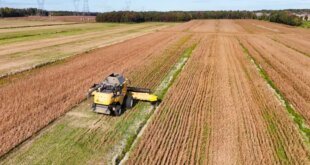
De facto authorities say they destroyed 22,000 hectares of poppy crops this year. But UNODC said many farmers appear to have adapted to avoid law enforcement. Others hide small plots within cereal fields or within walled compounds. Others plant and harvest at irregular intervals to avoid detection.
“The cultivation of opium poppy has increased fourfold shows the difficulty in maintaining a decline in illegal opium cultivation when poor farmers have no other alternative to feed their families,” said UNODC Executive Director Monica Juma.
He urged de facto authorities and the international community to work together to support farming communities, by investing in livelihoods, agricultural infrastructure and access to markets.
Shift to the northeast
Crop cultivation spread to 16 of Afghanistan’s 34 provinces, five more than last year. Three out of every four hectares of land are in the northeast, which is now the main growth region in the country. Before prohibition, most opium was grown in the southwest region.
Prices fell from $570 a kilogram last year to $500 but are still well above pre-ban levels of under $100.. UNODC said large regional price differences could drive human trafficking from the northeast to the southwest.
Supplies are running low
Survey said smugglers in the region appear to have relied on opium supplies to keep supplies flowing since the ban was imposed.
But recently confiscation data indicates that the stock is running low. That World Drug Report 2026 also found early signs that Europe’s heroin supply is declining.
With demand continuing to rise and prices high, reduced supply could push cultivation in Afghanistan even higher.
“International cooperation is needed to investigate and dismantle transnational drug trafficking networks both in Afghanistan and around the world,” said Ms. Juma.
UNODC said continued monitoring will show whether this year’s surge is temporary or the start of a revival in opium and heroin production.