JamzNG Latest News, Gist, Entertainment in Nigeria
The 2026 FIFA World Cup will be unlike any tournament football fans have ever witnessed before.
With the competition expanding to 48 teams for the first time and being organized in the United States, Canada and Mexico, soccer lawmakers have introduced a series of rule changes that could significantly alter the way the game is played.
The International Football Association Board (IFAB) has approved a series of new laws and amendments that will come into force this summer and will also be adopted by domestic leagues around the world next season.
From expanded VAR powers and stricter match-up penalties to measures designed to speed up play and eliminate tactical time-wasting, players, coaches and players will have to adapt to a new era of World Cup football.
The VAR has more power than ever
One of the biggest changes ahead of the World Cup has to do with the video assistant referee (VAR), who has been given additional authority to intervene in situations that were previously out of his reach.
The VAR will now be able to review:
- Corner kicks awarded incorrectly, provided that the intervention does not delay the restart.
- Attacking fouls that occur before play has officially restarted if the phase ends in a goal, penalty, corner or free kick.
- Clearly incorrect red cards issued as a result of a second yellow card.
- Cases of mistaken identity where the wrong player receives a yellow or red card.
The changes are expected to eliminate some of the more controversial moments that have frustrated players, coaches and fans in recent years.
The introduction of corner kick reviews is particularly important as teams have often benefited from the goals and dangerous opportunities arising from incorrectly awarded corners.
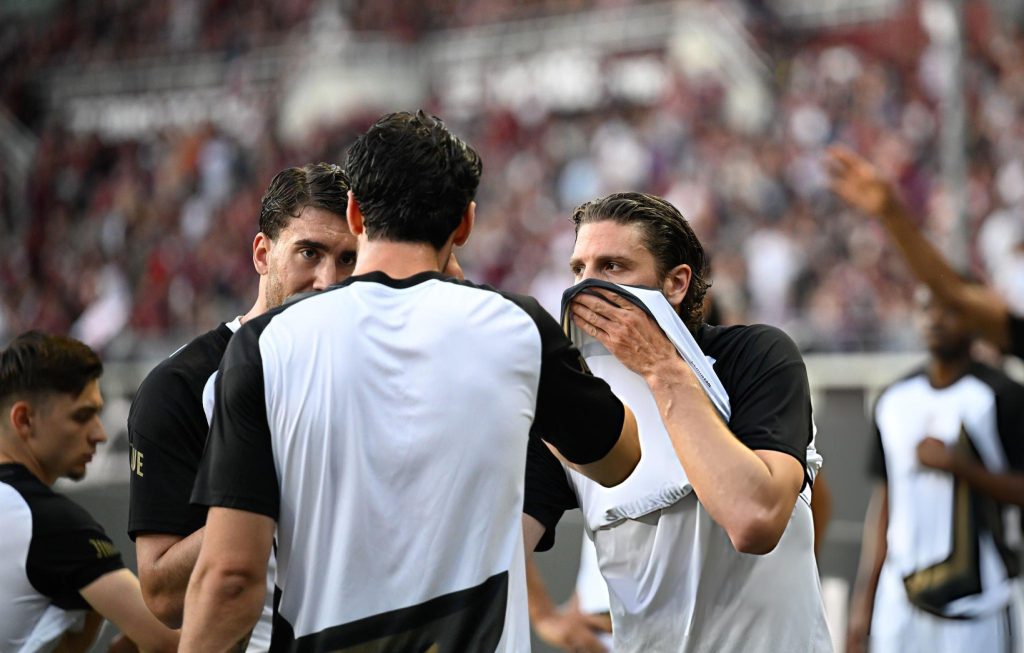
Do you cover your mouth during an argument? Wait for a red card
Perhaps the most talked about new rule has to do with confrontations between players.
Any player who covers their mouth with their hand, arm or shirt while arguing or engaging with an opponent will now be eligible for a straight red card.
The rule was introduced due to concerns that racist slurs and abusive language could be hidden from cameras and officials.
The move follows the recent controversy involving Benfica winger Gianluca Prestianni and Real Madrid star Vinicius Junior during a UEFA Champions League match.
It is important to note that the rule only applies in confrontational situations. Players who engage in friendly conversations will not be punished.
Slow substitutions; Expect to play with 10 men
Another major change focuses on players deliberately wasting time when being substituted.
Players leaving the field now have only 10 seconds to leave the field using the closest available point.
Failure to do so will result in the incoming substitute being forced to wait until the next stoppage of play and for at least one minute before entering.
That means teams could be temporarily forced to continue with just 10 players.
Five-second countdown for throw-ins and goal kicks
Referees have also been given a powerful new tool to combat time wasting during restarts.
If a player takes too long to take a throw-in or goal kick, the referee may start a visible five-second countdown.
The official will raise his hand and begin counting.
If the ball is not put back into play before the countdown ends, possession will immediately change hands.
For throw-ins, the opposition will take the shot.
For goal shots, A corner kick will be awarded to the opponent.
The punishment is severe enough to make goalkeepers think twice before delaying the match.

New injury rule lasts longer
Players receiving treatment from medical staff will now be required to leave the field for one minute before returning.
The law applies to outfield players and is intended to discourage unnecessary interruptions.
Exceptions may apply in cases involving goalkeepers, serious injuries or major collisions.
Unlike some of the other amendments, Davies expressed concern about this particular change.
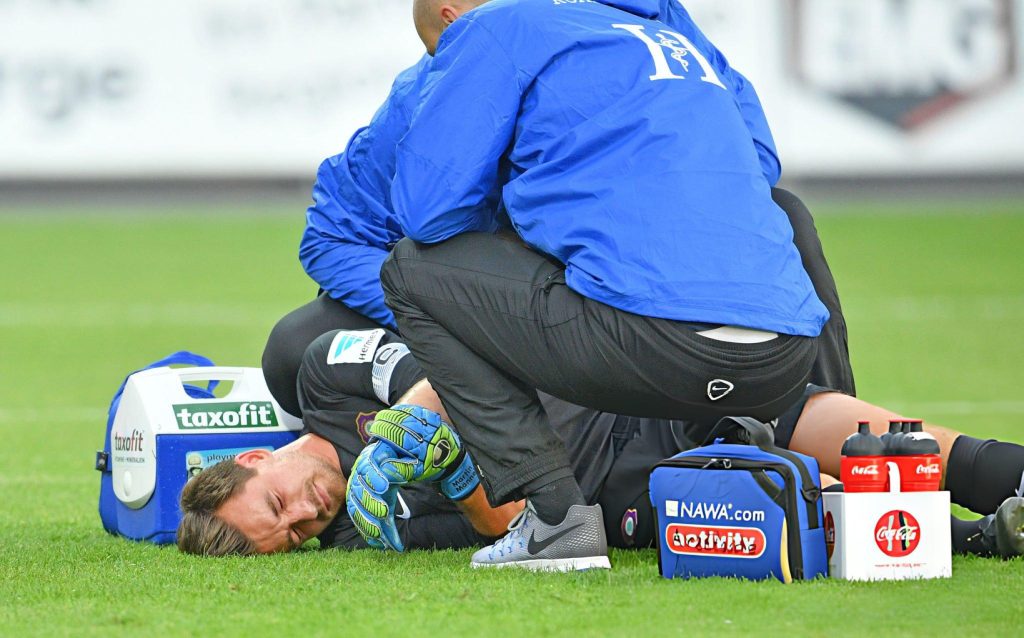
FIFA targets goalkeepers’ ‘time-outs’
In recent years, teams have increasingly used goaltender injuries as unofficial tactical timeouts, allowing coaches to relay instructions while play is stopped.
FIFA has now cracked down on this practice.
Players will no longer be able to gather around the technical area while the goalkeeper receives treatment.
Instead, they will be told to remain on the field.
However, there will currently be no formal disciplinary punishment for violating the guideline.
Players who leave in protest will receive an immediate red card.
FIFA has also introduced strict new sanctions against players or teams who leave the field in protest.
Any player who leaves the field of play to protest a referee’s decision will receive a red card.
The same punishment applies to the coaching staff who incites players to leave the field.
Besides, The teams responsible for causing the match to be abandoned will automatically lose the game.
The change comes after controversial incidents at recent international tournaments.
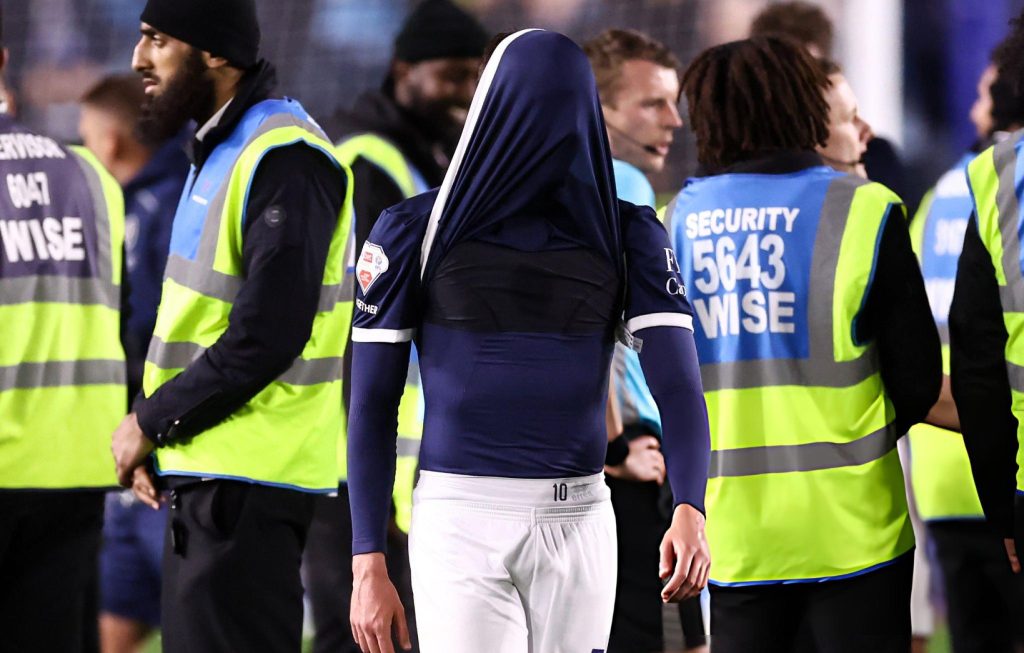
Hydration breaks confirmed for extreme conditions
Given the expected summer temperatures across North America, FIFA has confirmed that players will receive hydration breaks during both halves.
Each stop is expected to occur around the 22nd minute and last approximately three minutes.
The measure is designed to protect the well-being of players during potentially extreme heat.
Introducing the final Super Bowl-style World Cup show
Another innovation generating major debate is FIFA’s decision to host a Super Bowl-style concert during halftime of the World Cup final at MetLife Stadium in New Jersey on July 19.
The announcement means the traditional 15-minute break could be extended significantly.
However, the organizers have tried to reassure football fans.
Global Citizen CEO Hugh Evans insisted that preserving the integrity of the game remains the priority.
“Football fans around the world can rest easy knowing that we are very respectful of the game.”
He added that the actions would be:
“significantly shorter than the 15 minute mark.”
A new era begins in the largest World Cup in history.
With expanded VAR powers, stricter time-wasting measures, red card sanctions for disruptive behavior and new player welfare initiatives, FIFA is ushering in one of the most significant rules reforms in the history of modern football.
What is certain is that when the 2026 FIFA World Cup begins on June 11 in the United States, Canada and Mexico, players and fans alike will be involved in a tournament like no other before.