JamzNG Latest News, Gist, Entertainment in Nigeria
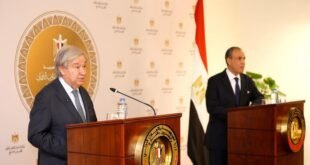
“The people were shocked and distraught; formal meetings alone are not enough,” He said in a virtual briefing from the capital, Caracas, alongside representatives of the UN, Brazil, Turkey, the United States, Venezuela and the European Commission.
That The earthquake has killed more than 3,500 people and injured at least 16,740 othersand 6,462 people have been rescued, according to the UN aid agency, Ocha.
Providing an overview of the ongoing post-earthquake efforts involving 200 partners across Member States and the UN system, Fletcher said humanitarian needs remain enormous, with many communities requiring assistance as search and rescue efforts subside.
Tons of life-saving emergency supplies have arrived, but more sustained and coordinated support is still needed.
‘Will help come?’
During a visit Tuesday in hard-hit La Guaira amid the sporadic sound and silence of bulldozers and rescue teams digging through rubble, Fletcher recalled meeting a group of mothers who return to the site every day in the hope that their children will be found.
“The mothers asked me last night, ‘is help coming?’” said the UN Coordinator for Humanitarian Affairs and Emergency Relief.
“Today’s meeting is our response to this. There is only one answer to that question.”
Continuous effort
Recalling that teams from Israel to Mexico had rushed to provide assistance in those first critical days, he said current initiatives include:
- Health services from the Pan American Health Organization (PAHO)
- Protection and protection from the UN agency for migration, IOM, and refugees, UNHCR
- Youth needs from the United Nations Children’s Fund (UNICEF)
- Essential foods from the World Food Program (WFP) and partners like World Central Kitchen
- Debris removal and long-term needs assessment of the United Nations Development Program (UNDP)
‘One coordinated plan’
“As we transition from emergency efforts to a broader response, it is important that we have a coordinated plan,” Fletcher said.
Collective strategies must include urgent priorities such as food, shelter and debris removal, as well as long-term recovery and development, he added.
He also noted that current needs are compounded by existing challenges as nearly eight million people across Venezuela already require humanitarian assistance.
Future needs
Thanking donors and welcoming their continued support, he called on member states and donors to take three actions:
- Increase response, with $296 million needed to reach 1.3 million people in the next six months
- Invest in basic life-sustaining services such as food, education and health services based on national post-disaster assessments
- Maintaining donor engagement, sanctions relief, and release of frozen assets
“We have to show that we will answer the questions of these mothers: help is coming,” he said. “Let us show that global solidarity is still strong and we will continue to stand for the same.”
Find out more about the UN response in Venezuela Here.