JamzNG Latest News, Gist, Entertainment in Nigeria
This was expressed by UN aid coordination office spokesperson Olga Cherevko, who recently returned from a field visit with a clarion call to action.
Nearly 16 million Afghans face crisis-level hunger – around 3.4 million of whom live in emergency conditionssaid Ms. Cherevko, while briefing from Kabul on Tuesday.
“I want to start with something that might get lost when we talk about Afghanistan through numbers: Harvests may increase, markets may provide food, but families may still starve,” he said, calling it “one of the clearest takeaways” from his recent visit to southern and northeastern Afghanistan.
Ms Cherevko called for immediate and sustained action to help the Afghan people “before many families run out of options”.
‘Deteriorating vision’
Record-high levels of acute malnutrition in the August-October period have led to rising hunger levels for millions of Afghans, according to the latest findings from the UN-backed global food security monitor (IPC).
The situation is poised to worsen, Cherevko said.
“I saw firsthand that this crisis is not just about the availability of food, but whether people can afford itwhether they can earn an income, access basic services, or whether they have anything left to fall back on when the next shock comes,” Cherekov said, adding that hunger levels are expected to rise for some 19 million people when winter begins next month.
“The outlook is deteriorating,” he said. “These figures represent children whose parents cannot afford nutritious food and families whose coping abilities have been reduced by years of conflict, economic hardship, drought and other shocks,” he said.
Systematic exclusion
Highlighting another dimension of the crisis that will affect Afghanistan long after the next lean season, Ms. Cherevko pointed to the Taliban’s systematic exclusion of women and girls in schools and society.
“The consequences are already being felt,” he added, pointing to the “shocking” UN Children’s Fund (UNICEF) report a warning that, If current restrictions continue, Afghanistan could lose up to 20,000 female teachers and 5,400 female health workers by 2030.
The impact on nutrition is equally important because malnutrition is influenced by maternal health, access to health services, dietary diversity, education and ability to earn a living.
“Undermining this will weaken families’ ability to protect their children and make future recovery more difficult,” he said.
Apart from help
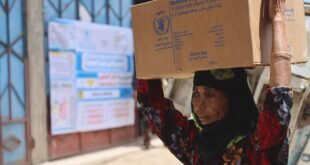
Humanitarian aid is urgently needed and must continue, but much more is needed, Cherevko said.
“Humanitarian aid can and does save lives now,” he said, “but only sustainable and inclusive investments in livelihoods, services and economic opportunities can help people build lives less dependent on emergency aid in the future.”
Afghanistan needs investment in the foundations of recovery: agriculture and rural livelihoods, local markets, jobs, water systems, health and nutrition services, and opportunities for women to participate in economic life.
‘We must act before winter’
Ms. Cherevko said “we cannot continue to ask for humanitarian aid to compensate indefinitely for the absence of economic opportunities and vital public services.
“We must act before winter, not after families have run out of options,” he warned.
“My visit this month to the south and north-east reinforced why this needs to be understood as more than just emergency response,” he added, arguing that realistic ways must be found to support families in the future.
From January to JulyUN agencies and humanitarian partners reached 8.3 million people with at least one form of assistance and they continue to provide emergency and essential services: