JamzNG Latest News, Gist, Entertainment in Nigeria

Each year, World Oral Health Day serves as a powerful reminder of the essential role oral health plays in overall well-being, quality of life and social inclusion. This is an opportune time to shine a spotlight on a critical but often overlooked aspect of oral healthcare in Nigeria and across Africa: the vital role of orthodontics in the comprehensive care of cleft lip and palate.
Cleft lip and palate affects thousands of children in Nigeria, creating challenges that go far beyond the visible cleft of the lip or palate. These children often experience difficulties in feeding, speaking and integrating socially. While surgical repair is undeniably crucial, orthodontic treatment is equally essential. It is the specialty responsible for aligning teeth, correcting bite problems, and guiding jaw development. These are essential for restoring not only function but also confidence and improving quality of life.
Unfortunately, in Nigeria and many African countries, access to specialized orthodontic care for cleft patients is severely limited. The number of qualified orthodontists, particularly those experienced in cleft treatment, remains low (1:30,000) and infrastructure outside major urban centers is often inadequate. As a result, many children receive incomplete treatment, which diminishes the benefits of surgery and leaves them facing ongoing problems with chewing, speech, oral health and self-esteem. Similarly, a study I conducted at the Lagos University Teaching Hospital recently observed that there is minimal awareness and understanding of the need for orthodontic treatment among patients. This revealed the need for patient education and counseling as soon as cleft surgery was completed.
This World Oral Health Day, it is critical that policymakers, educators, healthcare leaders and funders recognize orthodontics as a key pillar of comprehensive cleft care, rather than an optional or cosmetic service. This recognition must translate into tangible actions. Expanding orthodontic education to include cleft-focused training, establishing international partnerships for knowledge transfer, and developing multidisciplinary cleft teams are key steps. These teams should bring together orthodontists, surgeons, speech pathologists, and nutritionists to provide coordinated, holistic care.
Strategic partnerships with non-profit organizations like Smile Train, which is the largest cleft-focused organization in the world, improve orthodontic training globally. Taking the case of Nigeria, they collaborated with various treatment centers and supported just over 60 patients requiring orthodontic interventions, in a country whose prevalence of cleft births is around 6,000 cleft births per year. The non-profit organization has made great strides in leveraging a sustainable partnership model to ensure that more than 50,000 patients have received comprehensive cleft care at the nearest treatment center since it ventured into the country in 2007. Furthermore, although there are approximately 16 orthodontists in the country, this workforce ratio is far too low to meet the need.
Given the long-term effects of living with untreated dental malocclusions, this has signaled the need to bring the continent’s orthodontists together, while expanding specialties given the limited number of dental professionals on the continent. In March, more than 40 dental professionals including dental surgeons, orthodontists and technicians from more than 10 countries regionally gathered in Nigeria for a first-of-its-kind orthodontics seminar. This event was instrumental in knowledge exchange and workforce development for orthodontic professionals across the continent. A key takeaway from this was the wealth of experience gained in the field and the identification of innovative ways to reach patients in desperate need of care.
Equally important is investing in the infrastructure and equipment needed to decentralize orthodontic services beyond the largest cities, ensuring equitable access to children in all regions. Raising awareness among communities and health systems on the importance of timely hospitalizations and coordinated treatment pathways will also help fill current gaps.
These efforts are closely aligned with the broader mission of Universal Health Coverage (UHC): to reduce inequities in oral health care and ensure that everyone can access essential services throughout their lives. Orthodontic care for cleft patients embodies the need for integrated, patient-centered healthcare systems that address complex and lifelong conditions.
Nigeria has the third largest number of orthodontists in Africa after Egypt and South Africa with around 90 orthodontists. The country has a unique opportunity to lead the way by prioritizing the growth of orthodontic specialties and fully integrating them into cleft care programs. This will improve surgical outcomes, improve speech, and allow children to live healthier, fuller lives.
On World Oral Health Day, we must renew our commitment to a vision of oral health that encompasses the entire continuum of care, from prevention and surgery to orthodontics and rehabilitation. By prioritizing cleft orthodontics, we can build healthcare systems that truly leave no child behind.
It ends.
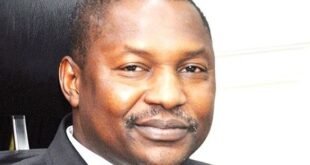
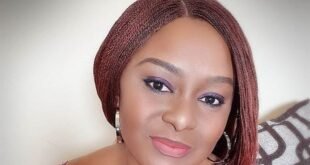
Prof Oluranti DaCosta is Professor of Orthodontics at the Faculty of Medicine, University of Lagos, Nigeria