JamzNG Latest News, Gist, Entertainment in Nigeria
Political parties have expressed deep objections to the proposed 2026 election regulations introduced by the Independent National Electoral Commission (INEC), and warned that some provisions could jeopardize the integrity of the 2027 elections.
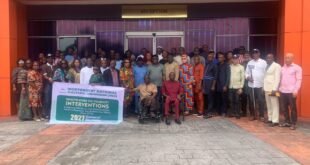
These concerns were expressed in Abuja during a consultative session held to review the draft guidelines, where party leaders, under the Inter-Party Advisory Council (IPAC), criticized elements such as mandatory direct primaries and strict requirements for submitting membership lists.
Speaking on behalf of the council, IPAC National Chair, Yusuf Dantalle, warned that issues not resolved within the proposed framework could undermine the electoral process.
“If this critical issue is not addressed immediately, it could jeopardize the success of the 2027 elections,” he said.
Dantalle argues that rather than strengthening democracy, the bill risks reversing the progress that has been made.
“Instead of advancing our democratic journey, this actually represents a significant setback,” he said.
He noted that many Nigerians hoped for a more inclusive framework, but instead found provisions that placed undue pressure on political parties, especially those not in power. He also rejected the policy of mandatory direct primaries, and emphasized that parties must retain control over their internal processes.
“The choice of candidate selection method remains an internal matter for political parties,” he said, urging lawmakers to bring back indirect primaries as an alternative.
Also read: Davido stops Grammy hunt, doubles down on African identity in music
He further described the requirement for political parties to submit membership lists—complete with Population Identification Number (NIK)—within a limited period of time as unrealistic and exclusive.
Regarding election transparency, Dantalle reiterated the call for electronic transmission of election results, and warned against repeating past shortcomings.
“This is the fundamental demand of the Nigerian people,” he added.
He also called for stronger law enforcement mechanisms to address election violations, including the creation of a special commission, and stressed that public confidence in the electoral system must be restored.
“The credibility of this commission is at stake, and the public’s trust depends on assurances that every vote will be counted,” he said.
He added that Nigeria’s next general election would be closely watched internationally.
In response, INEC Chairman, Joash Amupitan, defended the proposed regulations, stressing that credible elections are rooted in transparent processes well before election day.
“We gathered not only to discuss the draft of the new 2026 INEC Political Parties Regulations and Guidelines, but also to reaffirm our collective commitment to enhancing the democratic process in Nigeria.
“Credible elections start long before voting day; elections start with transparency in the process that produces candidates,” he said.
Amupitan explained that the draft guidelines emerged from a comprehensive review of the 2022 regulations, supported by empirical findings, including insights from the Political Party Performance Index developed in collaboration with the Westminster Foundation for Democracy.
He said that the study revealed “troubling gaps between the party constitution and grassroots reality,” prompting reforms in all aspects of party registration, internal operations, primaries, campaign conduct, financial transparency, and deregistration conditions.
“These guidelines aim to clean up party primaries and end an opaque process that imposes unpopular candidates, fuels voter apathy and inevitable litigation,” he said.
The INEC boss also highlighted the new provisions regarding campaign financing, noting that the Electoral Act 2026 empowers the commission to set spending limits in consultation with political parties.
Ahead of the 2027 elections, Amupitan warned that INEC was working on a tight timeframe, with the presidential and National Assembly elections scheduled for January 16, and the governorship and state assembly elections scheduled for February 6.
“We operate on a tight schedule, which demands what I call surgical precision,” he said.
He added that the draft regulation includes measurable targets to increase the participation of women, youth and people with disabilities, and urged stakeholders to view the reform as a protective measure and not as an obstacle.
“By sharpening these rules, we protect the sovereignty of the Nigerian people from nominations to the declaration of final results,” he said.
Reaffirming the independence of the commission, Amupitan emphasized that INEC will remain impartial and take a more proactive stance in safeguarding democratic values.
“INEC remains a neutral arbiter, but we are no longer passive observers of the erosion of democratic values,” he added.