JamzNG Latest News, Gist, Entertainment in Nigeria
This report documents how representatives of civil society experience repression by state and non-state actors, including those from outside their countries and amidst the increasing use of digital surveillance.
The highlighted cases come from 32 countries involving human rights defenders, victims of human rights abuses and violations, journalists, lawyers and trade union members. They were targeted for collaborating, or attempting to cooperate, with the UN on human rights issues between May 1, 2025 and April 30, 2026.
Unfriendly climate
The report warned that the cases represented only part of the problem, as many people did not report abuses for fear of further harm, while others asked to remain anonymous.
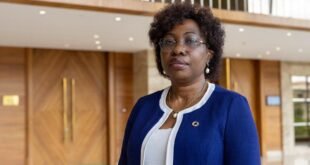
“Defending human rights must never come at the expense of one’s personal safety and security,” said Assistant Secretary-General for Human Rights Claudia Fuentes Julio, who leads the UN system’s efforts to address retaliatory acts.
“The shrinking of civic space and increasing online and offline surveillance is fueling a climate of hostility that is hampering civil society’s cooperation with the UN and its human rights mechanisms.”
Cross-border intimidation
The Secretary-General’s report on retaliation highlights a growing trend in which civil society actors are being targeted outside their home countries.
At least 43 people and four organizations have faced arbitrary detention, physical attacks, surveillance, threats, online harassment, restrictions on their movements and confiscation of their passports, while their family members have also been intimidated.
The report notes that digital technologies are increasingly being used to monitor, intimidate and silence people who wish to engage with international human rights mechanisms.
Restrictive legislation
More than half of the countries mentioned in this report have also implemented, enacted or changed laws that criminalize or further restrict core civil society activities. The continued abuse of laws, including laws and regulations related to combating terrorism, cybercrime and national security, remains another concern, the report noted.
“It is deeply worrying and completely unacceptable that young activists, women, environmental defenders and Indigenous Peoples reportedly continue to face a greater risk of being targeted for exercising their right to engage with the UN and defend their communities, land and environment,” said Ms Fuentes Julio.
Blocking participation in UN events
The report also documents efforts to hinder civil society participation in UN meetings including blocking or delaying accreditation and harassing participants at UN locations.
The report also refers to attacks aimed at independent human rights experts – incl Special Procedures mandate holders – and their wider impact on communities and organizations seeking to work with the UN.
At the same time, the report highlights important efforts to address these issues, including initiatives to support the participation of human rights defenders and other civil society within the UN and measures to strengthen prevention, protection and accountability for acts of retaliation.
“Society must be able to cooperate freely with the UN. Safe and meaningful engagement with civil society is fundamental to advancing human rights around the world,” said Ms Fuentes Julio, while urging all countries to protect those who engage with the UN.