JamzNG Latest News, Gist, Entertainment in Nigeria
Fighting in Artibonite last week caused more than three-quarters of the refugees to seek refuge in the commune of Marchand Dessalines.
Forced return
Armed groups have also clashed in the Western department of Cité Soleil since June 13, displacing more than 5,000 people and forcing the non-governmental organization Médecins Sans Frontières to halt activities at maternity facilities.
Ocha also noted an increase in the number of forcibly returned migrants to Haiti, with 24 percent of all forcibly returned migrants by 2026 being women and nearly eight percent children.
UN spent $140.5 million in emergency funding in April to reach one million people in Haiti, but OCHA noted that its $880 million Humanitarian Appeal for 2026 is currently only 27 percent funded, with $240 million received to date.
Lebanon: Displacement continues despite ceasefire
With the recent ceasefire between Israel and Lebanonthe number of people in collective shelters continues to decline as refugees return to their homes, OCHA report.
But the ceasefire remains fragile and more than 57,000 people remain in 516 collective shelters.
Many remain hesitant to return to their homes due to fears of renewed hostilities, the presence of the Israeli Defense Forces and widespread destruction, according to OCHA.
Life-saving assistance
Although there continue to be reports of ceasefire violations by the UN Interim Force in Lebanon (UNIFILE), the UN and its partners continue to provide assistance to save lives.
Since fighting escalated on March 2, UN partners have provided more than 181,000 blankets, 141,000 mattresses, more than 162,000 hygiene kits, 92,000 menstrual hygiene kits and more than 3.7 million liters of bottled water to conflict-affected communities.
“We urge everyone to fully comply with the ceasefire and refrain from any escalation, especially during this difficult period of ongoing negotiations,” UN Spokesperson Stéphane Dujarric said Friday in New York.
Gaza: Clean water and health services remain the primary needs of civilians
The UN is increasing water, sanitation and health assistance in Gaza as civilians continue to face worsening humanitarian conditions.
On Friday, a UN spokesperson said UN agencies were carrying out pest control campaigns in the populated Gaza region, but warned that “skin diseases and other related health conditions remain widespread”.
He shared that the United Nations Development Program (UNDP) has sent five additional water trucks while the UN Children’s Fund (UNICEF) has brought in water treatment chemicals, helping provide more clean water to communities.
“Water transportation remains a back-up option,” Dujarric said, stressing that repairing Gaza’s damaged water network is essential.
Aid reached tens of thousands
Humanitarian partners provided psychosocial services, legal assistance and case management to nearly 50,000 people last week, while nearly 20,000 others received targeted assistance and cash support to help meet basic needs.
There are early signs of agricultural recovery, a UN spokesperson said, although around 80 percent of Gaza’s greenhouse infrastructure remains damaged or unusable.
That latest report from the UN Palestine refugee agency UNRWA highlighting the scale of the humanitarian crisis, with around 76,000 refugees taking refuge within it UNRWA health facilities and thousands of others depend on the agency for health care, clean water and other essential services.
Congo: UN food agency increases aid as Ebola spreads
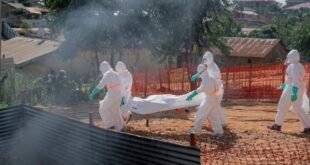
As Ebola continues to spread across the eastern Democratic Republic of Congo (DRC), the UN food agency is expanding aid and logistical support, warning that famine could undermine efforts to contain the outbreak.
World Food Program (WFP) is helping more than 1.2 million people with nutritional support and humanitarian logistics as the virus has reached 34 health zones in Ituri, North Kivu, and South Kivu, where conflict, displacement, and severe famine have left millions vulnerable.
Thirty affected health zones are experiencing crisis levels of hunger or worse.
Contains plague
Since the end of last May, this institution has provided it over 36,000 hot meals to patients, caregivers and people under supervision at Ebola treatment centers, while food rations have been provided to quarantined communities to help families comply with public health measures.
The agency is also transporting medical supplies and humanitarian workers to hotspots, but warned that insecurity and funding shortages continue to threaten emergency response efforts.
WFP is seeking $72 million over the next six months to maintain food aid, air services and logistics operations as the Ebola outbreak continues to grow.