JamzNG Latest News, Gist, Entertainment in Nigeria
Senegal’s promising 2026 FIFA World Cup campaign came to a crushing end when Belgium staged a spectacular comeback to defeat the Teranga Lions 3-2 in extra time during their round of 32 clash at Seattle’s Lumen Field.
The long-awaited knockout match started brightly for Senegal.
Habib Diarra opened the scoring in the 25th minute, and Ismaila Sarr doubled the lead early in the second half, giving the African team firm control.
With just a few minutes remaining in regulation time and with a 2-0 lead, qualification for the round of 16 seemed almost certain for a team made up of stars like Sadio Mané.
However, Belgium refused to surrender. Romelu Lukaku scored in the 86th minute, raising hopes of a revival.
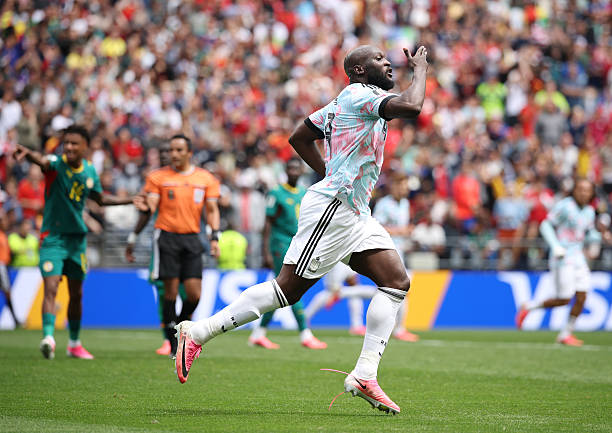
Youri Tielemans equalized in the 89th minute, forcing extra time in a match that had swung wildly.
The drama reached its peak in the 120+5 minute, when the VAR awarded Belgium a controversial penalty after a challenge by Lamine Camara on Tielemans.
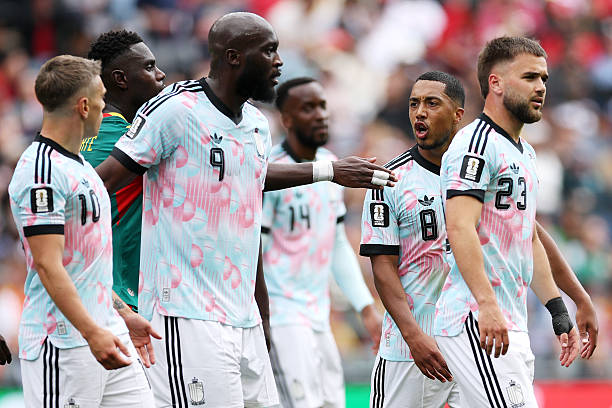
Tielemans calmly converted from the penalty spot, sealing a 3-2 victory and eliminating Senegal.
This result marks a bitter end for a Senegal team that had shown resilience throughout the group stage.
After initial losses to France (3-1) and Norway (3-2), they delivered a dominant 5-0 thrashing of Iraq to take third place in their group and advance as one of the best third-place finishers.
Their attacking talent and determination were praised, but defensive lapses proved costly against stronger European opposition.
Also read: DR Congo’s historic streak ends with Valiant R32 loss to England
The elimination highlights the ongoing challenges for African nations in the expanded World Cup.
Senegal, a perennial powerhouse on the continent, reached the quarterfinals in 2002 and impressed in 2018 and 2022.
This generation, led by experienced players, had high expectations, especially after recent continental setbacks, including the loss of the African Cup of Nations title.
Fans and analysts expressed their anguish online, with many calling it one of the most painful “bottle jobs” of the tournament.
Belgium advances to face tougher tests in the round of 16, while Senegal returns home reflecting on what could have been.
Coach Pape Thiaw’s team showed quality and character, but ultimately fell to late-game pressure and fine margins.
As the 2026 World Cup continues, Senegal’s exit serves as a reminder of the unpredictability and cruelty of football: a football that comfortably leads only to see victory slip away in the final moments.