JamzNG Latest News, Gist, Entertainment in Nigeria
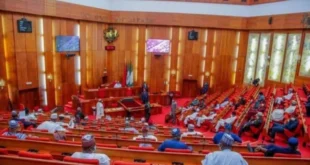
The House of Representatives Committee on Basic Education and Examination Agency on Monday apologized to parents, guardians, and Nigerian students who were affected by the chaos of the West African senior school certificate (Wassce).
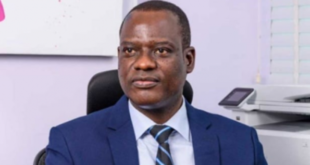
Committee Chair, Hon. Oforji Oboku (PDP, Yenagoa/Federal Opokuma Constituency, Bayelsa state), led the accusation at an investigation hearing at the National Assembly, where he acknowledged the in -depth distinctiveness experienced by candidates and their families because of widespread irregularities and logistics failures during the examination cycle.
“On behalf of this committee, I offered an undeniable apology to parents, guardians, and nigerian candidates who suffered chaos from the last examination cycle,” Oboku said in his opening statement. “We are committed to ensuring this never happens again.”
The trial, who called the management of the West African Examination Council (WAEC), came after the installation of public protests over the irregularities reported in the administration of the 2025 exam, from the time from being delayed to the security issues and insufficient inspection infrastructure.
Amos Dangut, Head of WAEC Nigeria, appeared before the committee to explain what was described by parliament members as “systemic collapse” in the board’s operational process. But his efforts to maintain the agency quoting “unexpected challenges” and insecurity in some parts of the country were greeted with sharp criticism and frequent disturbances.
Oboku, obviously disappointed, told a report that was disturbing from the centers of the exam where students were forced to write papers until late at night under Torchlight, a picture that he said underlines the wider leadership failure.
“It is not acceptable that in 2025, students were taking the exam at 11 pm under Torchlight,” he said. “This is not just logistics failure. This is a leadership failure.”
He was firm about the need for reform, describing the investigation session as a step needed to restore public confidence in the Nigerian education system.
“This is not a witch hunt,” he said. “But we must identify the fundamental causes of this repeated failure, overcome them firmly, and ask for responsibility.”
Outside of direct concern with the WAEC 2025 examination cycle, parliament members increase alcohol about the long -term implications of the damaged examination system in the Global Nigerian position and the future of their youth. Some members highlighted that the credibility of countries throughout West Africa was eroded because of frequent leaks of examination paper and unreliable logistics.
The Committee called for the National Education Summit meeting to conduct a comprehensive audit of high school infrastructure nationally and explore sustainable reform.
Oboku also rejected WAEC’s readiness claims for computer -based testing (CBT), drawing clear analogies that attract murmurs from the audience.
“You talk about CBT readiness, but many local governments do not have a single CBT center,” he said. “It’s like saying you have a car and driver, but there is no way. This is fantasy, not capacity.”
Committee direction
At the end of the tense session, the committee issued a series of binding resolutions:
- WAEC must send a full audit of digital infrastructure, especially in areas that are less served.
- The council must provide a clear road map that detailed its preparedness for computer -based inspection.
- WAEC was also given a mandate to complete the National Assembly with complete operational guidelines and all internal reports related to the leakage of examination paper.
Oboku, in his closing remarks, emphasized that the country was no longer able to treat education with administrative ignorance.
“This is a decisive moment. We must insist on competence, honesty, and reform,” he said. “Education is too important to be managed by trials. The future of our children, and our nation, is at stake.”