JamzNG Latest News, Gist, Entertainment in Nigeria
Anita Kiki Gbeho, Special Representative of the Secretary-General and new Head of the UN Mission in South Sudan (DON’T MISS), appointed on April 11 after his death famous predecessor Nicholas Haysomoutlined deteriorating conditions in the country since the last briefing at the start of the year.
Anitia Kiki Gbeho briefed the Security Council on Friday
Fighting between the South Sudan People’s Defense Forces and the Sudan People’s Liberation Movement (also known as the Opposition Army), has intensified, particularly in Jonglei state, and civilians continue to bear the brunt.
The UN has reported a A 40 percent increase in deaths and injuries in 2025 compared to 2024 and warn it Inter-community violence still occurs in parts of the Equator, Bahr el Ghazal and Warrap, driven by cattle raiding, land disputes and counterattacks.
On the day Ms Gbeho briefed the Council, the UN Commission on Human Rights in South Sudan expressed deep concern over reports that bodies had been found in Jonglei during recent roadworks, warned against it the true death toll resulting from the return of violence in the country may be much greater than is currently known.
Less money means more trade-offs
Increased fighting and human rights violations have coincided with UNMISS budget cuts, which have forced the Mission to cancel certain activities. Ms Gbeho said that operational capacity has been reduced by between 24 and 30 percent.
Although peacekeepers were able to protect civilians following violent incidents in Akobo and Abiemnhom, Ms Gbeho stressed that their long-term presence was not financially sustainable based on current budgetary conditions.
Reduced mine action capacity, he added, had limited the Mission’s ability to eliminate explosive hazards while supporting patrol and site security, resulting in delays in responding to humanitarian requests in high-risk areas such as Jonglei.
Peacekeepers have less capacity to engage with local authorities, traditional leaders and communities. This impacts early warning, trust building and visibility risking eroding trust and increasing the likelihood of misinformation.
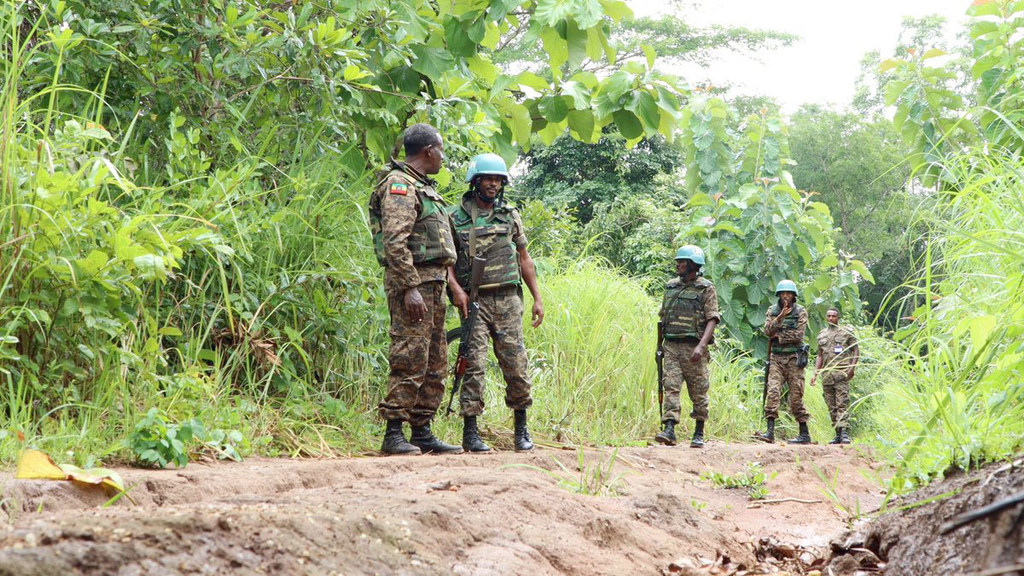
UNMISS peacekeepers on patrol. (file photo)
The Head of Mission underscored the dilemma faced by UNMISS and the Council: “the scale and urgency of needs on the ground,” he said, “has not been matched by the kind of sustained commitment and investment required to fully meet our shared ambitions towards peace.”
‘Dangerous crossroads’
The devastating humanitarian crisis in South Sudan was underscored by Tom Fletcher, UN Under-Secretary-General for Humanitarian Affairs, who told the Council that the world’s youngest country “stands at a dangerous crossroads.
This year, he said, approx two-thirds of the population will need humanitarian assistance, but the UN’s $1.46 billion Humanitarian Plan is only 22 percent funded.
Mr. Fletcher cited the latest data from the World Health Organization (WHO), which showed that 1.35 million people in Jonglei lost access to health services after 26 health facilities were destroyed or forced to close. Cholera is on the rise, and measles persists.
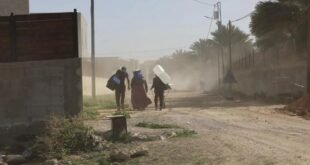
On a recent visit to Jonglei, Fletcher was told by local women that they had fled extreme violence, that their homes had been burned and people were “slaughtered like a goat”.
The fighting in Upper Nile State, he added, is equally worrying, with fighting, access restrictions and interference with UN humanitarian operations hindering aid.
Emergency levels of food insecurity are expected in South Sudan’s 10 states during the lean season, which begins this month and lasts until July: more than 7.5 million people will need food assistance this yearR.
Sending aid under attack
In the face of various challenges, peacekeepers and aid workers in South Sudan continue to provide assistance to the community.
In Jonglei alone, more than 113,000 people have received food this year, and UN partners have provided more than 14 tons of emergency health supplies, as well as thousands of water, sanitation and hygiene equipment.
Despite these obstacles, the Mission has been able to ccontinuing credible human rights monitoring and reportingwhich has contributed to increased monitoring of detention and release of arbitrarily detained individuals.
UNMISS also continues to do so supporting access to justice in areas where formal institutions have long been absent, through mobile courts and special courts, helping to reduce cycles of retaliatory violence and rebuild trust in state authorities.