JamzNG Latest News, Gist, Entertainment in Nigeria
The Senior Staff Association of Nigerian Universities and the Union of Non-Academic Staff of Educational Institutions and Associations have once again confirmed the indefinite suspension of the proposed national strike, which was scheduled to begin on May 11.
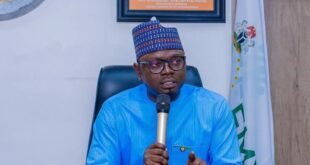
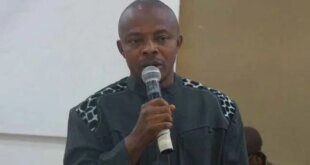
SSANU President Mohammed Ibrahim made this clarification during an interview with journalists in Abuja, Sunday.
According to Ibrahim, both unions agreed to temporarily suspend industrial action after receiving assurances from the Federal Government’s Tertiary Institutions Expansion Renegotiation Committee.
He explained that the union had given the government two weeks to complete negotiations and officially sign the pending agreement.
“We are giving ourselves two weeks to complete the renegotiation process and sign the agreement as promised,” he said.
The Joint Action Committee of SSANU and NASU had earlier, on May 1, instructed its members across the country to prepare for an indefinite strike over unresolved welfare and employment issues affecting non-academic staff in tertiary institutions.
However, the planned action was postponed following renewed engagement with government representatives, who reportedly promised to complete the renegotiation process within the agreed timeframe.
Ibrahim stated that the decision to call off the strike was based on what the union considered to be a credible commitment on the part of the government.
He stressed that the union expects all negotiations to be fully concluded and documented before the two-week deadline expires.
Also read: Security officers arrest 15 suspected illegal miners in raids in Abuja communities
According to him, the suspension is still conditional and can be canceled if the government does not keep its promise.
“We will monitor the negotiations closely over a two-week period.
“All outstanding issues must be resolved without further delay,” he said.
The union is demanding completion of the renegotiation of the 2009 agreement, review of the salary structure and implementation of the collective bargaining agreement.
Other issues raised by workers included increases in welfare packages, payment of allowances and arrears, as well as opposition to unilateral salary adjustments, including a reported proposed 30 percent pay increase.